AP Poll: High Prices Top Voter Concerns Ahead of Midterm Vote
New data shows economic anxiety driving voter sentiment as polls open across the nation on Tuesday.
By Layla Edwards ·
As Americans head to the polls on Tuesday, November 3, 2026, the cost of living has emerged as the central issue of the midterm election. According to new polling data from the Associated Press and NORC at the University of Chicago, a significant portion of the electorate is prioritizing economic stability over other policy areas. The survey indicates that 35 percent of U.S. adults approve of President Donald Trump’s job performance, while only 25 percent approve of his handling of the economy. This gap highlights a specific frustration among voters who are feeling the pinch of rising costs in their daily lives.
The AP-NORC poll reveals that approximately seven in ten U.S. adults believe the country is heading in the wrong direction. Most respondents in the survey blamed the current administration for high prices. This sentiment is particularly acute in swing states where the outcome of Senate and House races could determine the balance of power in Congress for the final two years of the current presidential term. The economic mood is a critical factor for both parties as they seek to mobilize their base and persuade undecided voters.
In Palm Beach Gardens, Florida, voter Mark Barker expressed a different perspective, citing his support for the president. Barker stated that he has been following Trump’s actions closely and believes the president is doing an awesome job. His comments reflect a segment of the electorate that remains loyal to the administration despite the broader economic concerns highlighted in national polling. Florida is a key battleground, with both a special Senate election and a competitive governor’s race on the ballot.
Conversely, in Raleigh, North Carolina, voter James Moore, a 57-year-old librarian, described a feeling of financial strain that many voters share. Moore noted that he is paying more taxes, spending more on healthcare, and paying higher prices for everything. His experience underscores the tangible impact of inflation and price increases on middle-class families. North Carolina is one of the most watched states in this election cycle, featuring a high-profile Senate race between former Governor Roy Cooper and former Republican National Committee chair Michael Whatley.
The AP describes this election as a referendum on the second term of the current administration, with voters struggling with high prices and expressing anger over an unpopular war with Iran. More than 57 million people had already voted as of Monday, surpassing the early vote totals from four years ago in many closely watched states. This high level of early participation suggests that economic issues are driving turnout. Republicans are bracing for the possibility of losing the House, while Democrats are cautiously optimistic about their chances of gaining control of at least one chamber.
Tariffs have also played a role in shaping the economic conversation. The AP notes that economic strain and tariffs have made the Senate race in Maine competitive. In that state, Senator Susan Collins is facing Democratic former state Senate President Troy Jackson. The AP reports that these economic factors have turned a traditionally safe seat into a toss-up according to major race ratings. Similarly, in Michigan, the open Senate seat is seen as a toss-up or leaning Democratic, with voters weighing the impact of trade policies on local industries.
The stakes for both parties are high. Democrats need a net gain of three House districts and four Senate seats to secure majorities in both chambers. Republicans, who currently hold a majority in both houses, can afford to lose only two seats in each chamber to maintain their positions. With all 435 House seats and 35 Senate seats up for election, the margin of victory could be determined by a handful of districts. Ballotpedia identifies 46 battleground districts in the House, with 25 held by Democrats and 21 by Republicans.
Republican National Committee Chairman Joe Gruters emphasized the importance of voter turnout, stating that everything depends on turning out their voters. He noted that if the party can mobilize its base, they will win. In contrast, House Democratic Leader Hakeem Jeffries has outlined a 100-day agenda focused on the cost of living and oversight if Democrats take control of the House. Jeffries would be the first Black speaker of the House, and his agenda reflects the priority voters are placing on economic relief.
The election also features a record number of governorships on the ballot, with 36 races to be decided. Democrats are defending five governorships in states that Trump won in 2024, while Republicans are defending two in states that Harris won. The AP has identified Alaska, Arizona, Georgia, Iowa, Kansas, Michigan, Nevada, Ohio, and Wisconsin as key governor battlegrounds. These races will determine which party controls the executive branches of these states, influencing policy implementation and setting the stage for future elections.
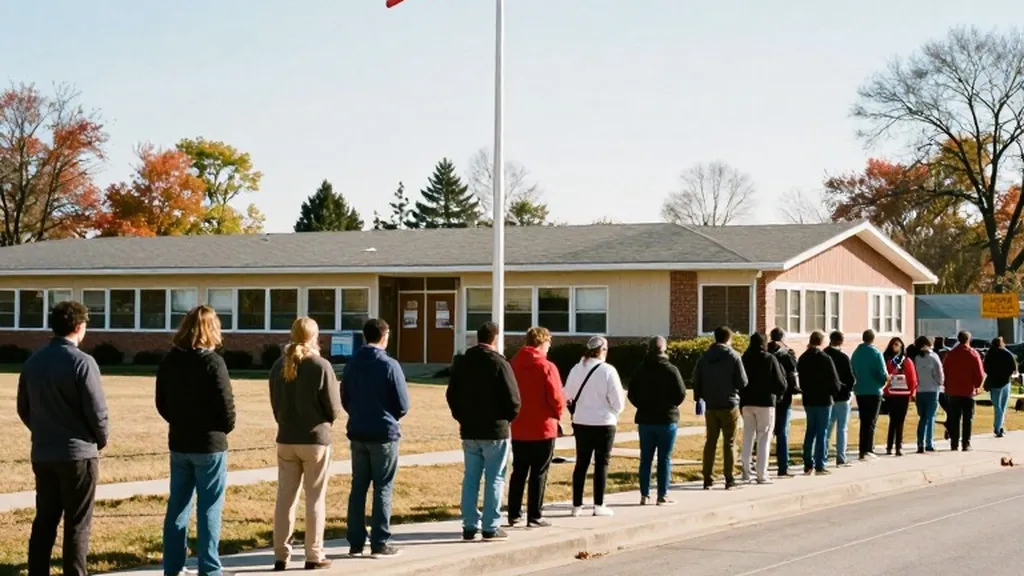
As polls open, the focus remains on the economy. Voters are making decisions based on their personal financial experiences, from the price of groceries to the cost of healthcare. The AP-NORC numbers provide a snapshot of this sentiment, showing a clear link between economic approval and overall presidential approval. With polls open across the country, the final outcome will depend on whether the economic concerns expressed in polling translate into votes at the polls today.
The Associated Press notes that the 2026 elections are likely to be the most expensive in history, with Republican committees outraising and outspending their Democratic counterparts. However, at the candidate level, Democrats have outraised their opponents. This financial dynamic may influence the messaging voters receive in the final hours of the campaign. As the day progresses, the focus will remain on the economic issues that have dominated the conversation, with voters in states like North Carolina and Florida playing a pivotal role in determining the balance of power in Washington.