Trump's High-Risk Midterm Play: Rallies, Fraud Claims, and a Divided GOP
With approval ratings low and candidates keeping their distance, the president's active campaign strategy tests the Republican base on Election Day.
By Yuna Patel ·
President Donald Trump has transformed his role in the 2026 midterms into a central campaign strategy, holding dozens of rallies in the final weeks before voters head to the polls. This approach stands in contrast to the more cautious tone struck by many of his own party's nominees, who have largely kept their distance from the president during the final stretch. The strategy relies on a direct appeal to the Republican base, asking supporters to treat the election as a personal referendum on the second term even though Trump is not technically on the ballot.
The president concluded his recent rally schedule on Sunday in Salina, Kansas, where he urged the crowd to "pretend I'm on the ballot." His itinerary included stops in Mississippi, South Carolina and Texas, high-energy events designed to energize turnout in competitive districts. For a conservative electorate that values strong leadership and economic growth, these rallies serve as a reminder of the administration's priorities, from border security to tax policy, despite the political risks involved in such a visible presence.
However, the enthusiasm for the president is tempered by his current standing in the polls. According to recent Associated Press and NORC polling, only 35 percent of U.S. adults approve of Trump's job performance. The numbers drop further on the economy, with just 25 percent approving of his handling of economic issues. About seven in ten adults say the country is heading in the wrong direction, and most blame the president for high prices. These figures suggest that while Trump remains a powerful force in Republican politics, his personal approval rating is a liability that candidates must manage carefully.
Many Republican candidates have navigated this tension by maintaining a respectful but distinct distance from the president. They are focused on local issues and the need to hold the majority in Congress, a goal that requires a unified front. This distance is part of a broader effort to appeal to moderate voters and suburban conservatives who may be sympathetic to the administration but wary of a direct confrontation with the White House. The strategy reflects a pragmatic calculation that the president's name can drive turnout but also invite scrutiny.
Adding to the complexity of the campaign, Trump has continued to make claims about voting fraud that many experts and election officials dispute. He has argued that noncitizens vote in large numbers, a claim that has fueled debates over the integrity of the electoral process. His administration has filed lawsuits in states like Alaska and California, and the Justice Department has threatened to prosecute local election officials. Democrats fear that these actions could lead to interference and intimidation, while Republicans argue they are necessary to protect the vote.
Legal battles have become a part of the election landscape, with federal judges temporarily barring the administration from implementing plans to prevent noncitizen voting. Critics argue that these measures risk disenfranchising eligible voters and infringe on the authority of states to administer elections. In California, a judge ordered the administration to stop demanding that officials segregate ballots cast by people on lists of suspected noncitizens. These legal maneuvers have created a backdrop of uncertainty that could influence how voters perceive the fairness of the election.
The financial scale of the 2026 elections is also unprecedented, with the Associated Press noting that the contests are likely to be the most expensive in history. Republican committees have outraised and outspent their Democratic counterparts, aided by Trump-affiliated groups and significant contributions from figures like Elon Musk. However, at the candidate level, Democrats have managed to raise more money than their opponents. The distribution of advertising dollars has also shifted, with 88.1 percent of Republican general election TV ad spending going to states and districts that Trump won in 2024.
Voters on the ground are grappling with these national narratives as they make their decisions. In Palm Beach Gardens, Florida, voter Mark Barker said he has been following Trump closely and believes the president is doing an awesome job. In contrast, James Moore, a 57-year-old librarian in Raleigh, North Carolina, expressed frustration over rising costs, stating that he is paying more for taxes, healthcare and everyday goods. These individual stories reflect the broader divide between those who see the president as a strong leader and those who feel the strain of high prices.
The stakes for the Republican Party are high as they aim to break the historical pattern of a president's party losing seats in midterm elections. They have used redistricting to create districts that favor their candidates, but new maps in states like Florida and Texas may not perform as expected. The party is bracing for the possibility of losing the House while fighting to hold the Senate, a scenario that would leave the administration with limited legislative power for its final two years.
Democrats, meanwhile, are cautiously optimistic about their chances. They see an opportunity to win control of at least one chamber, which would open the door for investigations and oversight of the executive branch. House Democratic Leader Hakeem Jeffries has outlined a 100-day agenda focused on the cost of living and accountability, a plan that could resonate with voters who feel the pressure of inflation. The outcome of these races will shape the political landscape for the next two years and beyond.
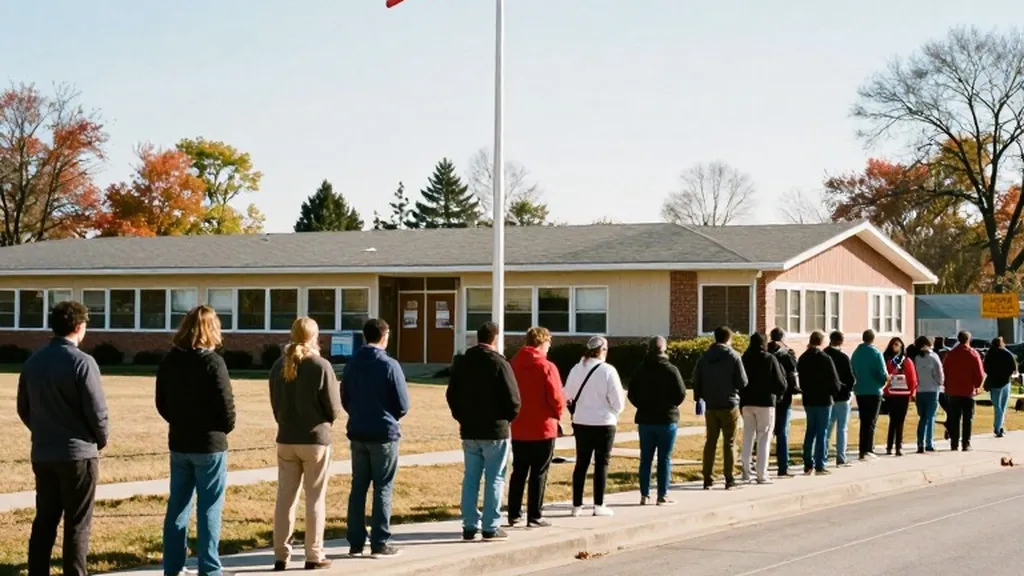
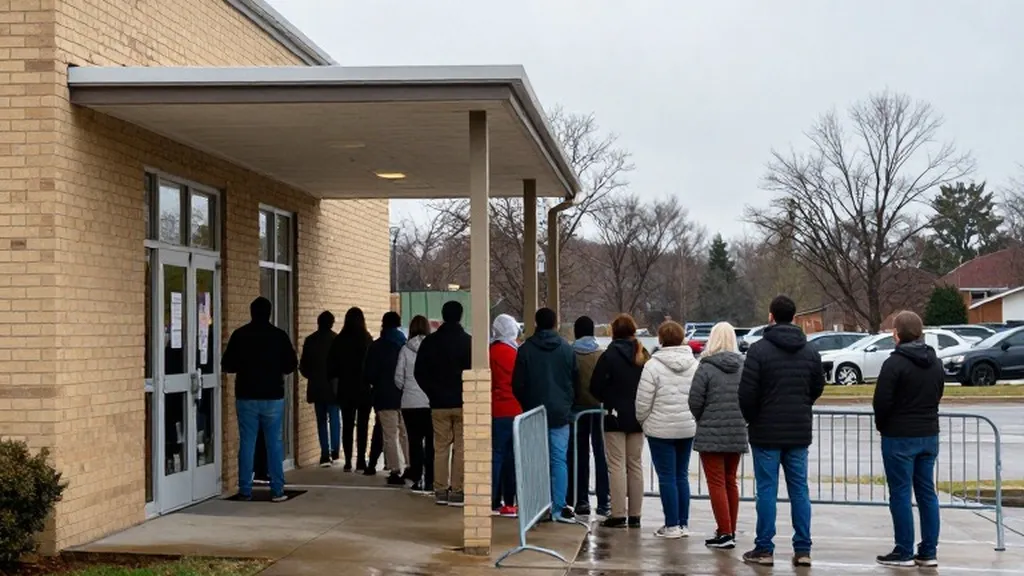
As polls open across the country, the focus shifts to turnout and the final decisions of voters. The election is not just about who holds the majority in Congress, but also about the direction of the nation and the balance of power between the branches of government. With millions of ballots cast and more to come, the next few days will determine whether the Republican strategy of rallying around the president pays off or if the economic concerns of the American people lead to a significant shift in power.