Record Spending and a Republican Ad Edge Define the 2026 Midterms
While Democratic candidates raised more money, Republican committees dominated overall spending, with 88.1% of TV ads targeting districts Donald Trump won in 2024.
By Layla Edwards ·
Voters across the nation are heading to the polls on Tuesday, November 3, for the most expensive midterm election in American history. The race for control of Congress is defined by a stark contrast in financial strategy between the two major parties. While Democratic candidates managed to outraise their Republican opponents at the individual level, Republican political committees significantly outperformed their Democratic counterparts in total fundraising and spending. This disparity in committee-level funding is expected to shape the final days of campaigning and the overall tone of the election night coverage.
The Associated Press analysis of AdImpact data reveals the scale of this spending gap. Republican committees directed 88.1 percent of their general election television advertising toward states and districts that Donald Trump won in 2024. This targeted approach reflects a strategy focused on protecting Republican strongholds while attempting to expand their base. The sheer volume of money deployed in these areas is unprecedented, with more than $850 million spent in districts where the president won by a margin of ten points or more. This concentration of resources underscores the Republican priority of maintaining their majority in both chambers of Congress.
Elon Musk and other Trump-affiliated groups have played a pivotal role in this financial surge, contributing significantly to the Republican committee edge. These outside groups have amplified the spending capacity of the party, allowing for a higher frequency of advertisements in key battlegrounds. The presence of such high-profile donors has added a new dimension to the election, with voters in several states reporting an increased saturation of political messaging on their television screens and digital platforms. This influx of capital has helped Republican committees maintain a lead in overall expenditure despite lower individual candidate fundraising totals.
In contrast, Democratic candidates focused on raising more money than their specific Republican opponents in head-to-head races. This candidate-level edge allowed Democrats to run robust campaigns in competitive districts and states, particularly in the Senate races where the stakes are high. However, the aggregate spending advantage held by Republican committees suggests a broader organizational strength in terms of total resources deployed. The Associated Press notes that one or two seats in either chamber could be determined by the effectiveness of these spending strategies, making the allocation of funds a critical factor in the outcome.
The financial dynamics of this election intersect with the broader political mood described by the Associated Press. Voters are described as struggling with high prices and anger over an unpopular war with Iran. These economic concerns are likely to influence how voters respond to the heavy advertising campaigns. The high cost of living has become a central theme, with both parties using their financial resources to highlight their respective platforms. The 88.1 percent figure regarding Republican ad placement indicates a defensive posture, aiming to lock in support in areas where the president has strong approval ratings, even though the AP poll shows 35 percent of adults approving of his job performance overall.
The role of money in this election is also evident in the governor's races, where 36 seats are up for grabs. Republicans hold 26 of these offices and Democrats 24. The financial resources deployed in these races will be crucial, particularly in states like Georgia, where the race is seen as competitive. The Associated Press notes that economic strain and tariffs have made several states more competitive, suggesting that the heavy spending may be necessary to sway undecided voters who are focused on the cost of living. The new congressional maps in states like Florida and Texas will also play a role, as the financial strategy must adapt to the changed district boundaries.
As polls open, the focus shifts from the money already spent to the turnout that will determine the result. RNC Chairman Joe Gruters emphasized that everything depends on turnout, stating that if they turn out their voters, they win. This sentiment aligns with the Republican strategy of leveraging their committee spending to mobilize their base. Meanwhile, DCCC Chair Rep. Suzan DelBene argued that the American people are angry and want change, suggesting that the Democratic candidate-level fundraising edge will help them connect with voters who are dissatisfied with the status quo. The interplay between high spending and voter engagement will be closely watched by analysts throughout the day.
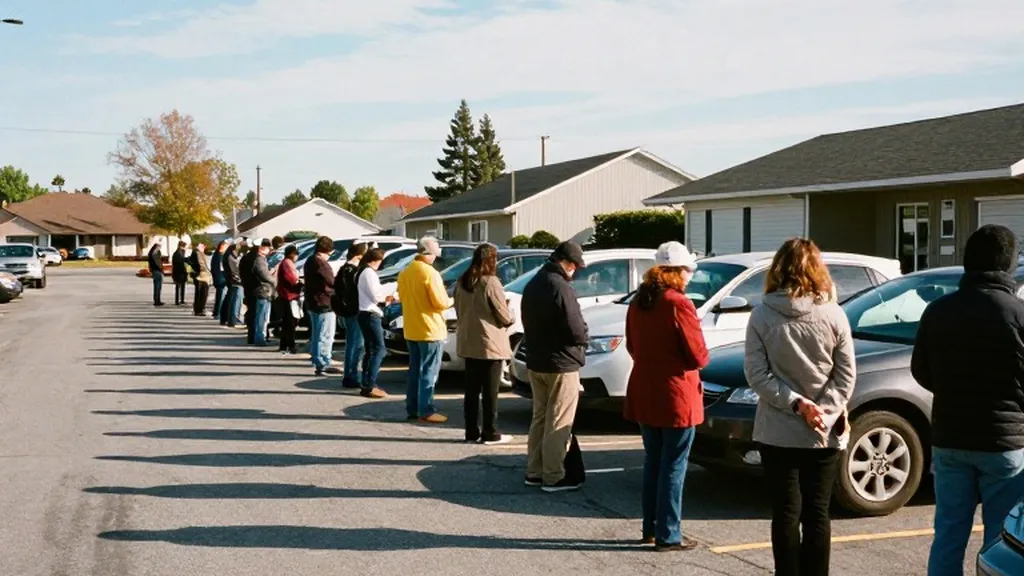
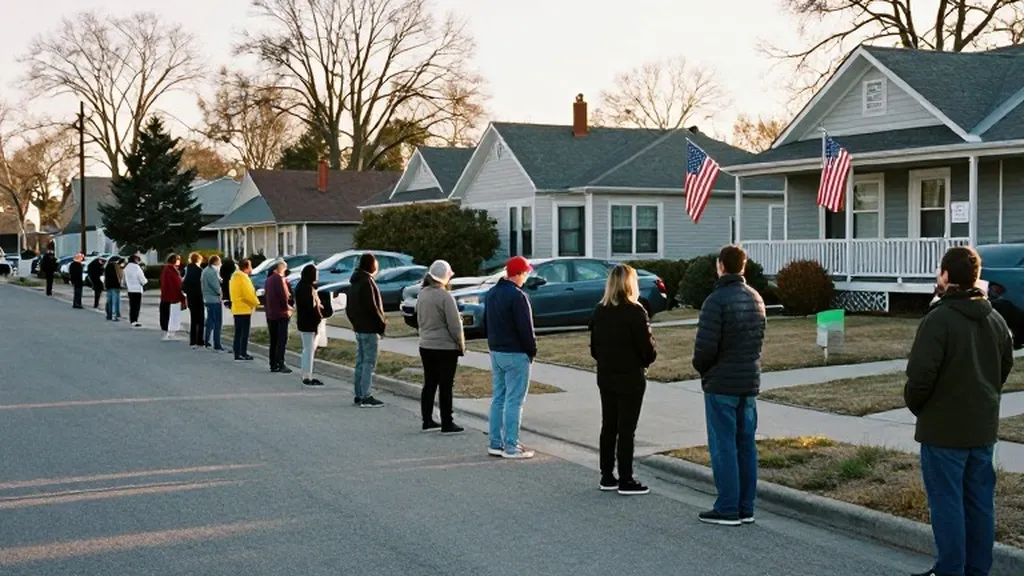
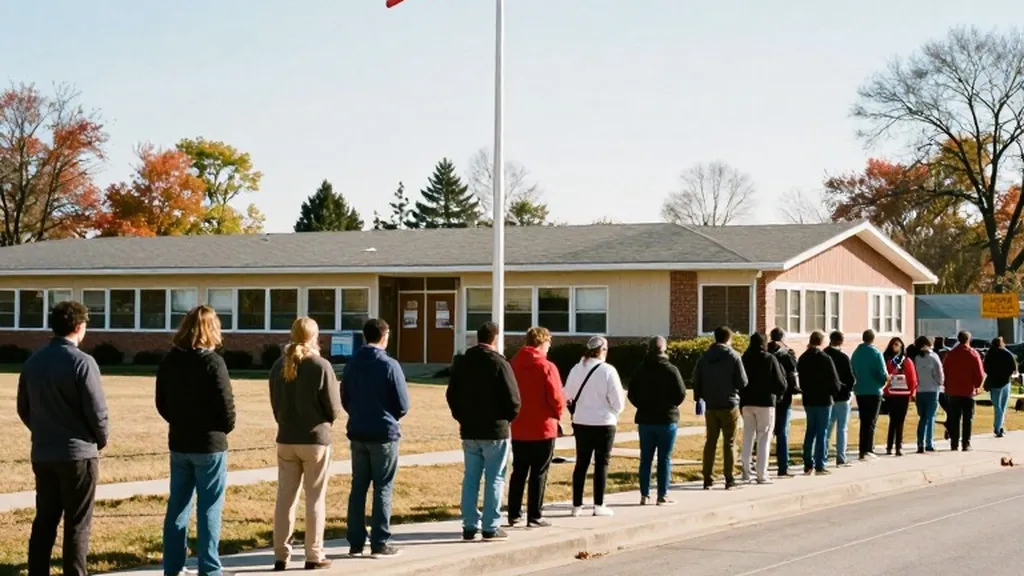
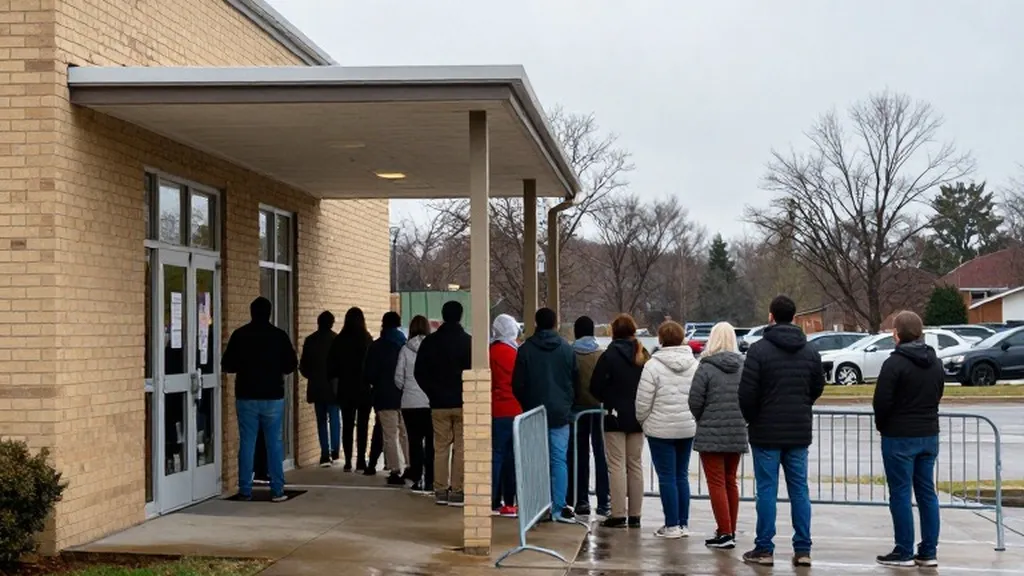
The election also highlights the ongoing debate over the administration of voting. A federal judge temporarily barred the Trump administration from carrying out a plan to prevent noncitizen voting, a move that critics say risks disenfranchising eligible voters. This legal development adds a layer of complexity to the election, as both parties navigate the rules while deploying their significant financial resources. The Associated Press reports that more than 57 million people had already voted as of Monday, surpassing the early vote of four years ago in many closely watched states. This high level of early participation suggests that the financial investments in campaigning have reached a broad audience.
The stakes of this election extend beyond the immediate control of Congress. If Democrats win even one chamber, investigations and possible impeachment proceedings become likely. A strong Democratic night would also boost potential 2028 candidates and could complicate the path for Vice President JD Vance. Conversely, a Republican hold on both chambers would provide a stable legislative environment for the president's final two years. The financial edge of the Republican committees, combined with the candidate-level strength of the Democrats, creates a volatile and uncertain landscape. The outcome will depend on how effectively each party converts its financial resources into votes on Election Day.