Senate Stakes: 13 Battlegrounds Decide Republican Control in 2026 Midterms
With 35 seats at play, Republicans can lose only two to keep the chamber, while Democrats need a net gain of four to seize power.
By John Wilson ·
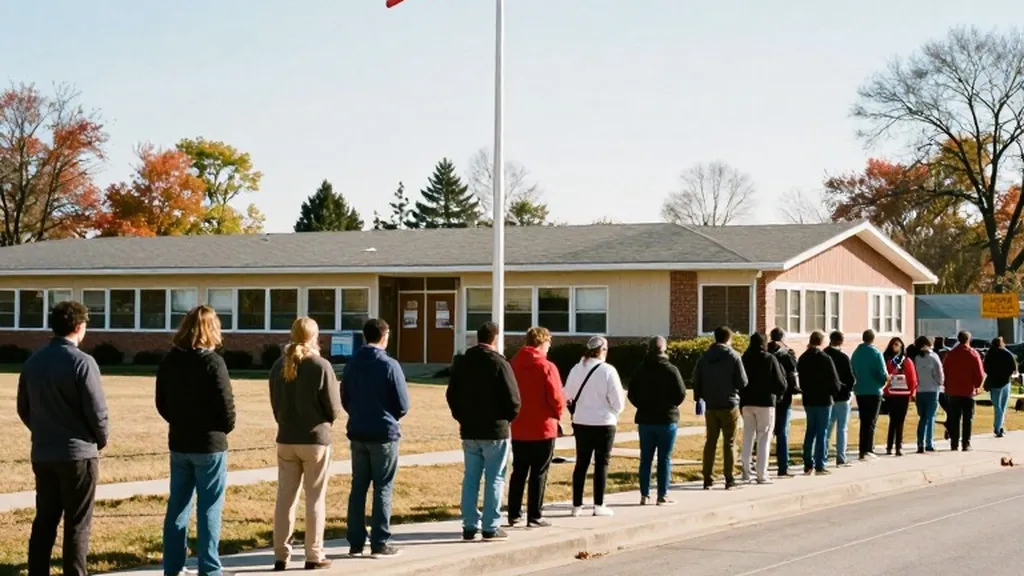
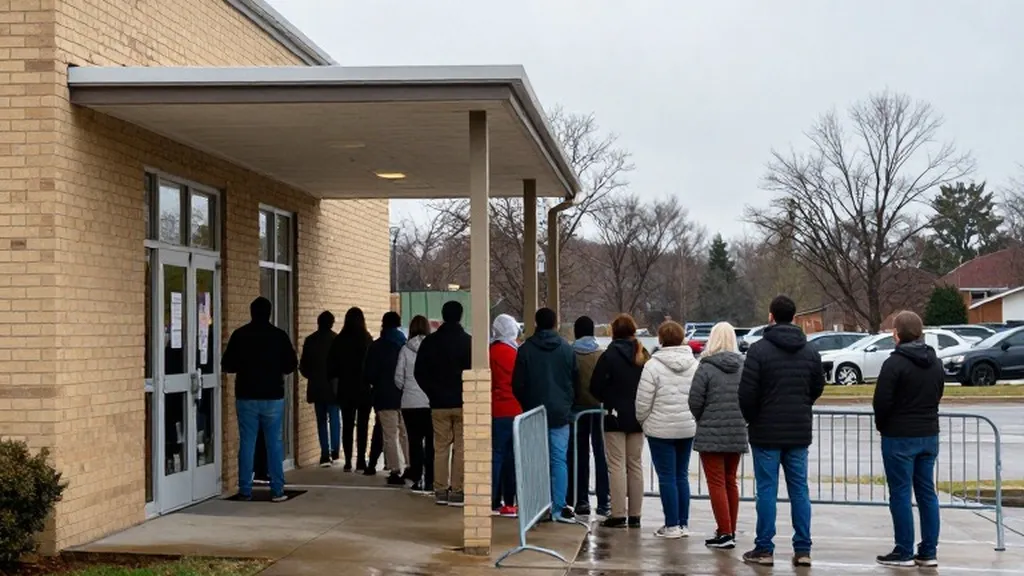
Voters across the United States are casting ballots on Tuesday, November 3, 2026, in a midterm election that will determine which party controls Congress for the final two years of President Donald Trump's second term. The Senate race is a pivotal component of this contest, with 35 seats up for grabs. Republicans currently hold 53 seats, Democrats hold 45, and two independents caucus with the Democrats. The margin is narrow enough that the outcome of a handful of competitive states will likely decide the balance of power in the upper chamber.
For the Republican majority to survive, the party can afford to lose only two of the 20 Senate seats they currently hold. Conversely, Democrats need to achieve a net gain of four seats to claim control of the chamber. Eleven senators are not seeking re-election, including four Democrats and seven Republicans. These retirements create open seats that are often more volatile than incumbent races, adding another layer of uncertainty to the national tally. The winners of these 35 races will begin their six-year terms on January 3, 2027.
Ballotpedia has identified 13 Senate races as battlegrounds where the outcome is in play. These contests include both incumbent races and open seats. In states like Alaska, Florida, Iowa, Kansas, Maine, Michigan, Montana, Nebraska, New Hampshire, North Carolina, Ohio, and Texas, the 2024 presidential margins provide context for the current competitive landscape. For instance, Alaska and Florida, where Donald Trump won by 13.1 points in 2024, are still considered competitive due to special elections and shifting dynamics. Maine, where Kamala Harris won by 6.9 points, is a key defensive race for Republican incumbent Susan Collins.
As of October 27, major political rating groups have classified these races with varying degrees of certainty. Maine is rated a toss-up by Cook, Decision Desk, Inside Elections, and Sabato. Iowa is seen as a toss-up or leaning Republican, while Kansas is rated from toss-up to lean Republican. In Alaska and Michigan, ratings range from toss-up to lean Democratic. Georgia is currently rated lean to likely Democratic. These assessments highlight the tightness of the contest, where small shifts in voter turnout or local issues could tip the balance. The AP notes that economic strain and tariffs have made states like Maine particularly competitive.
Several high-profile matchups are drawing national attention. In North Carolina, Democratic former Governor Roy Cooper faces former Republican National Committee chair Michael Whatley in the seat vacated by retiring Senator Thom Tillis. In Georgia, Senator Jon Ossoff is running against Republican Representative Mike Collins. Ohio features a special election where former Senator Sherrod Brown challenges incumbent Senator Jon Husted. Michigan sees former Representative Mike Rogers facing Democrat Abdul El-Sayed, whose former primary opponent Haley Stevens endorsed Rogers on Sunday. These races represent the core of the fight for Senate control.
The Associated Press describes the election as a referendum on Trump's second term, with voters expressing frustration over high prices and an unpopular war with Iran. AP-NORC polling indicates that 35% of U.S. adults approve of Trump's job performance, while 25% approve of his handling of the economy. About seven in 10 voters say the country is heading in the wrong direction. Most of these voters blame the president for high prices. This sentiment is driving voter behavior in the 13 battleground states, where economic anxiety is a dominant factor in decision-making.
Republican committees have outraised and outspent Democratic committees, aided by Trump-affiliated groups and Elon Musk. However, at the candidate level, Democrats have outraised their opponents. According to AP analysis of AdImpact data, 88.1% of Republican general election TV ad spending went to states and districts that Trump won in 2024. This spending strategy reflects the party's focus on holding its base in states where the president performed well, while Democrats concentrate resources on flipping competitive seats. The financial intensity of this cycle is expected to make it the most expensive in history.
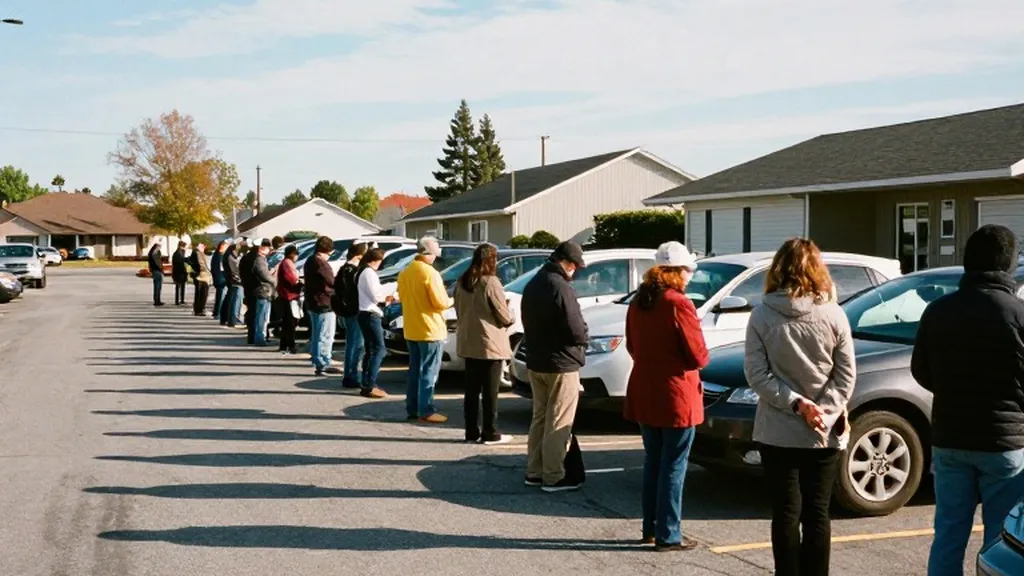
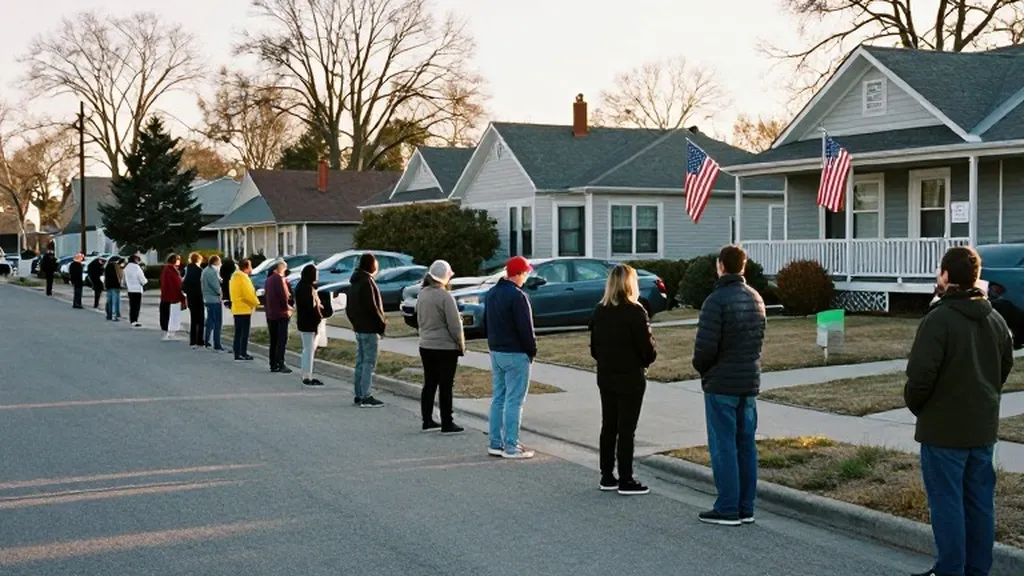
Turnout remains the critical variable for both parties. RNC Chairman Joe Gruters stated that everything depends on turnout, emphasizing that if Republicans turn out their voters, they win. DCCC Chair Rep. Suzan DelBene countered that the American people are angry and want change. More than 57 million people had already voted as of Monday, surpassing early vote totals from four years ago in many closely watched states. This high level of early participation suggests that the final tally will depend heavily on who shows up on Election Day in the key battlegrounds.
In the House, all 435 seats are up for election. Republicans hold 218 seats, Democrats 214, and one independent. Democrats need a net gain of three districts to take the majority, while Republicans can lose no more than two. The AP notes that one or two seats could tip either chamber. Six states are using new congressional maps after mid-decade redistricting, which may alter the traditional expectations for these races. The interplay between House and Senate outcomes will shape the legislative agenda for the next two years.
If Democrats win even one chamber, investigations and possible impeachment proceedings become likely. House Democratic Leader Hakeem Jeffries, who would be the first Black speaker if Democrats take the House, has outlined a 100-day agenda focused on the cost of living and oversight. A strong Democratic night would also boost potential 2028 candidates such as Gavin Newsom, JB Pritzker, and Pete Buttigieg. Republicans are trying to beat the midterm pattern, where a president's party almost always loses seats, but new districts in Florida and elsewhere may not vote as drawn.