57 Million Early Votes Set the Stage for Midterm Turnout Battle
With polls open, party chairs emphasize the critical role of voter participation in determining the next Congress.
By Layla Edwards ·
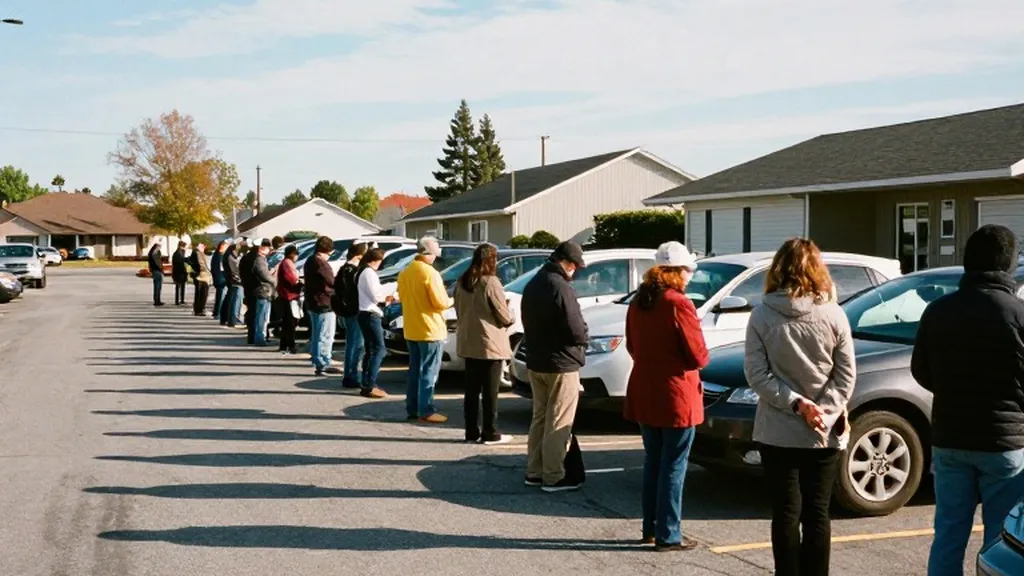
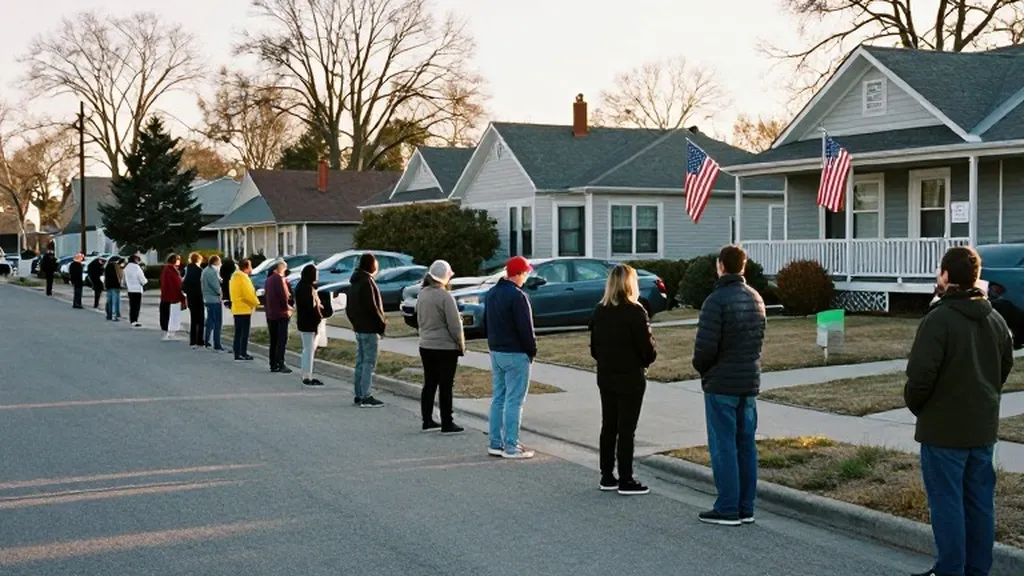
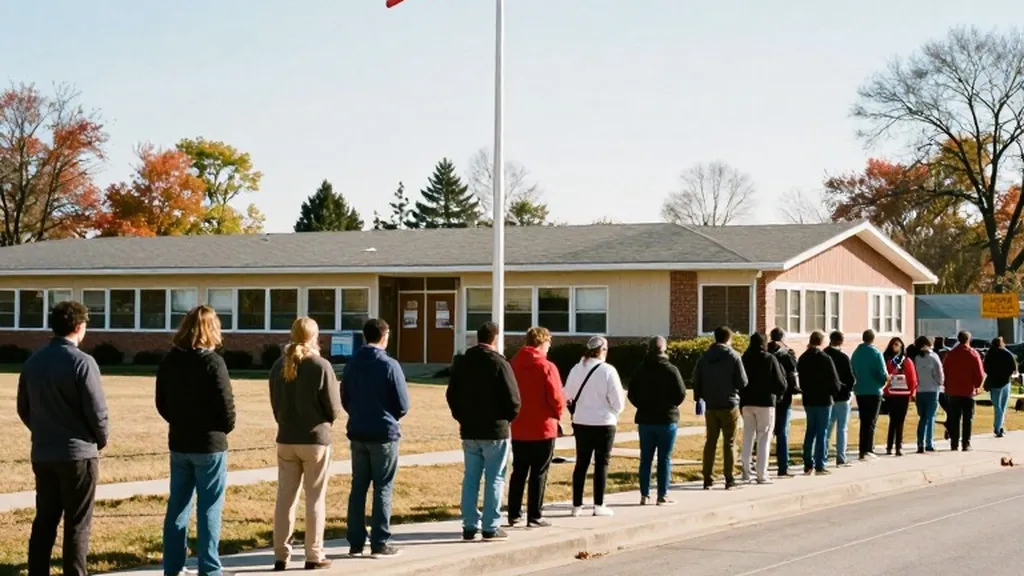
As polling places open across the nation on Election Day, the focus has shifted decisively to voter participation. More than 57 million Americans cast early ballots before Monday, a figure that surpasses the early voting totals from four years ago in many closely watched states. This surge in early activity has shaped the strategic calculations for both major parties as they seek to secure control of the U.S. House and Senate for the remainder of President Donald Trump's second term.
Republican National Committee Chairman Joe Gruters stated that everything depends on turnout. He noted that if the party can turn out its voters, they will win, which is the primary objective of their planning efforts. This sentiment reflects a broader Republican strategy to hold the Senate while bracing for potential losses in the House. The Associated Press reported that Republicans are fighting to keep the Senate, with one or two seats potentially tipping the balance of power in either chamber.
In contrast, House Democratic Leader Suzan DelBene, who serves as the chair of the Democratic Congressional Campaign Committee, emphasized that the American people are angry and want change. Democrats are described as cautiously optimistic about their prospects. They aim to gain a net three districts in the House to secure a majority, a threshold they must reach to control the legislative agenda for the final two years of the administration.
The ground game has been intensive, with both parties deploying significant resources to mobilize their bases. Trump-affiliated groups and Elon Musk helped Republican committees outraise and outspend their Democratic counterparts at the committee level. However, at the candidate level, Democrats managed to outraise their opponents. The 2026 elections are likely to be the most expensive in history, with 88.1% of Republican general election TV ad spending directed toward states and districts that Trump won in 2024.
Economic concerns remain central to the voter conversation. AP-NORC polling indicates that 35% of U.S. adults approve of Trump's job performance, while only 25% approve of his handling of the economy. About seven in ten voters say the country is heading in the wrong direction, with most blaming the president for high prices. Voters like James Moore, a 57-year-old librarian in Raleigh, North Carolina, cited higher taxes and healthcare costs as primary motivators for their vote.
Republican candidates have largely kept their distance from the president during the final days of the campaign. Trump held dozens of rallies, including a final stop in Salina, Kansas, where he urged supporters to pretend he was on the ballot. His schedule included stops in Mississippi, South Carolina, and Texas. Despite his active campaigning, many Republican candidates focused on local issues and the need for a unified vote to maintain party majorities.
The election is viewed as a referendum on the first half of Trump's second term. The Associated Press describes the mood as one where voters are struggling with high prices and are angry over an unpopular war with Iran. These factors have driven early voting numbers to record highs in several key states. The early vote surge has given both parties a clearer picture of where they stand in the battleground districts and states.
In the Senate, 35 seats are up for grabs, including 33 regular elections and two special elections. Republicans hold 53 seats, while Democrats hold 45, plus two independents who caucus with Democrats. Democrats need a net gain of four seats to take control of the chamber. Key battlegrounds include Alaska, Florida, Georgia, Iowa, Kansas, Maine, Michigan, Montana, Nebraska, New Hampshire, North Carolina, Ohio, and Texas. The AP notes that economic strain and tariffs have made states like Maine more competitive than in previous cycles.
The House race is equally tight, with all 435 seats on the ballot. Republicans hold 218 seats and Democrats 214, with one independent and some vacancies. Ballotpedia identifies 46 battleground districts, with 25 currently held by Democrats and 21 by Republicans. The outcome of these districts will determine which party controls the House and, consequently, the investigative and legislative powers for the next two years. If Democrats win even one chamber, investigations and possible impeachment proceedings become a likely outcome.
Administrative challenges have also played a role in the early voting period. A federal judge temporarily barred the Trump administration from carrying out a plan to prevent noncitizen voting, a move critics argued risked disenfranchising eligible voters. The U.S. Postal Service added hours, staff, and special lines to ensure mail ballots are counted on time. These efforts underscore the logistical complexity of processing the record number of early ballots cast in the days leading up to today.
As voters head to the polls, the stakes extend beyond simple party control. Wall Street is watching the results for signals on AI spending and debt ceiling negotiations. The outcome of today's election will define the political landscape for the remainder of the decade, influencing everything from tax policy to infrastructure spending. The final tally will reveal whether the early voting surge translates into a decisive shift in power or a continuation of the divided government seen in recent years.