Ten Swing State Senate Races Decide Control of Congress
Voters in states from Alaska to Texas are casting ballots in tight contests that will determine whether Republicans maintain their majority in the upper chamber.
By Yuna Patel ·
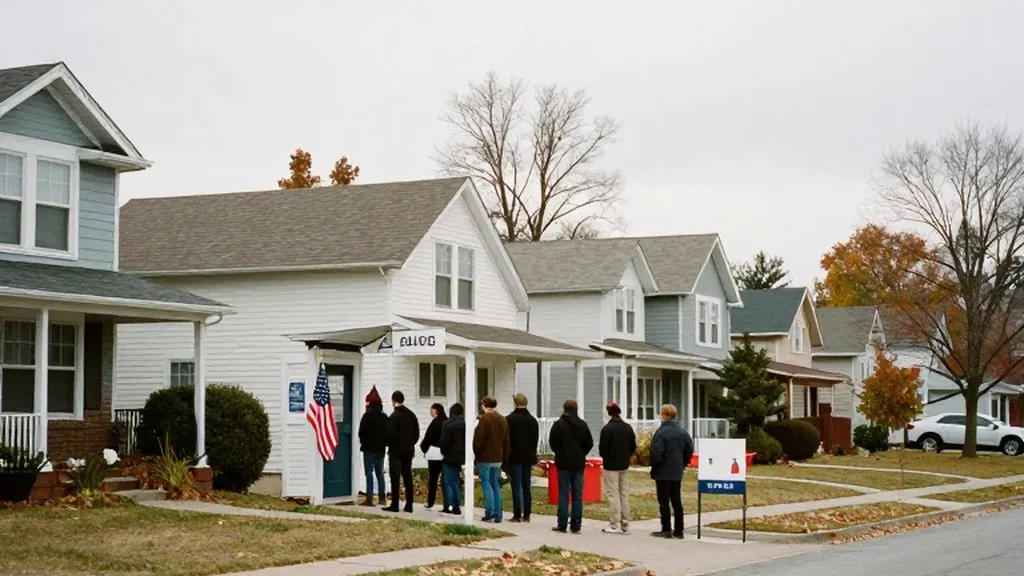
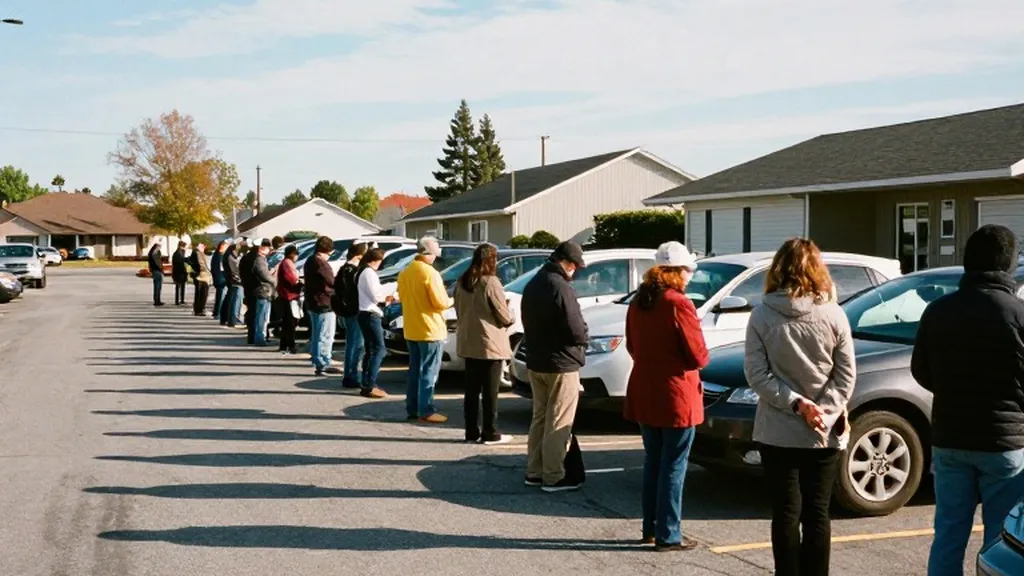
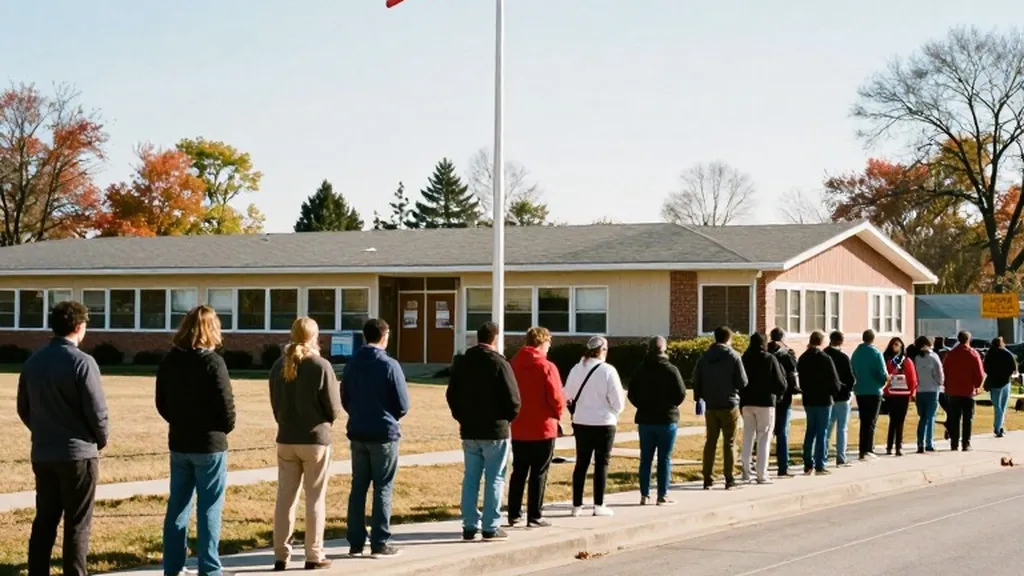
Voters across the nation are heading to the polls on Tuesday to decide the balance of power in the U.S. Senate, with ten specific matchups in swing states drawing intense scrutiny from both parties. The Associated Press reports that the election is being viewed as a referendum on President Donald Trump's second term, with many citizens expressing frustration over high prices and an unpopular war with Iran. In these key states, the outcome of the Senate race could determine whether the Republican majority holds or shifts to the Democrats for the final two years of the current administration.
In North Carolina, Democratic former Governor Roy Cooper faces former Republican National Committee chair Michael Whatley in a race that has become pivotal for Senate control. The seat is open because incumbent Senator Thom Tillis retired after clashing with the President. Ballotpedia notes that the state voted for Trump by 3.3 percent in 2024, making it a critical battleground where both parties are pouring significant resources.
Georgia presents a different dynamic, with incumbent Democrat Senator Jon Ossoff defending his seat against Republican Representative Mike Collins. The Associated Press identifies Georgia as a lean to likely Democratic race, a shift from the 2020 cycle. The state voted for Trump by 2.2 percent in 2024, and voters there are closely watching the economic implications of the current administration's trade policies.
Ohio features a special election to fill the seat vacated by Vice President JD Vance, with former Democratic Senator Sherrod Brown challenging Republican Senator Jon Husted. The AP notes that the state voted for Trump by 11.2 percent in 2024, but the race remains competitive due to strong partisan mobilization. Republicans are bracing to lose seats in the House and are fighting hard to hold the Senate, with one or two seats potentially tipping the chamber.
Michigan is another crucial contest, featuring Republican former Representative Mike Rogers against Democrat Abdul El-Sayed for the seat left by retiring Senator Gary Peters. On Sunday, El-Sayed's former primary opponent Haley Stevens endorsed Rogers, adding a new layer to the campaign. The AP describes the state as a toss-up to lean Democratic race, with the 2024 presidential margin for Trump at 1.4 percent indicating a highly competitive electorate.
Texas sees Republican Attorney General Ken Paxton, whom President Trump backed over incumbent Senator John Cornyn in the primary, facing Democrat James Talarico. The state voted for Trump by 13.6 percent in 2024, but the AP highlights that the race is being watched closely as a bellwether for Republican strength in the South. The administration's legal challenges in the state have added to the tension surrounding the election.
Maine is a unique case where incumbent Republican Senator Susan Collins faces Democratic former state Senate President Troy Jackson. The AP notes that economic strain and tariffs have made the state competitive, and all four major race ratings currently list Maine as a toss-up. The state voted for Kamala Harris by 6.9 percent in 2024, making it a key target for Democrats hoping to gain the four seats needed for a majority.
New Hampshire offers an open seat following the retirement of Democrat Senator Jeanne Shaheen, with Republican former Senator John E. Sununu challenging Democrat Representative Chris Pappas. The state voted for Harris by 2.8 percent in 2024, and the AP considers it a closely watched race in the Northeast. The retirement of Shaheen leaves a void in a state that has historically favored moderate candidates.
Minnesota features a four-way race for the seat of retiring Democrat Senator Tina Smith, with Lieutenant Governor Peggy Flanagan and Republican Michele Tafoya, a former sports broadcaster, as the leading contenders. The AP reports that the state is a competitive environment for the Senate, with voters weighing the cost of living against their views on national leadership. The presence of multiple candidates complicates the path to victory in this northern state.
Kansas has emerged as a central arena in the fight for Senate control, with Republican incumbent Roger Marshall facing challengers in a state that has traditionally leaned Republican. The AP notes that the state voted for Trump by 16.2 percent in 2024, but the race is rated as a toss-up to lean Republican by several analysts. President Trump held a rally in Salina, Kansas, on Sunday, urging voters to pretend he was on the ballot, highlighting the personal stakes of the race.
Alaska rounds out the list of named battlegrounds, with the Trump administration filing a lawsuit related to the certification of the Senate result. The state voted for Trump by 13.1 percent in 2024, but the AP and other outlets describe the race as a toss-up to lean Democratic. The legal challenges in Alaska and California have raised concerns among Democrats about potential interference, while Republicans focus on turnout to ensure their voters show up in sufficient numbers.
According to AP-NORC polling, 35 percent of U.S. adults approve of President Trump's job performance, while 25 percent approve of his handling of the economy. About seven in ten Americans say the country is heading in the wrong direction, and most blame the President for high prices. More than 57 million people had already voted as of Monday, surpassing early vote totals from four years ago in many closely watched states. RNC Chairman Joe Gruters stated that everything depends on turnout, while DCCC Chair Suzan DelBene said the American people are angry and want change. The 2026 elections are likely to be the most expensive in history, with Republican committees outspending Democrats at the committee level, though Democrats outraised their opponents at the candidate level. The results of these ten races will determine whether the Republicans can maintain their 53-seat majority or if the Democrats will gain the four seats necessary to take control.