Stakes of 2026 Midterms: Who Controls the Final Two Years of Trump's Term
Voters decide which party holds the gavel in Washington, with implications for investigations, a 100-day agenda, and the 2028 field.
By John Wilson ·

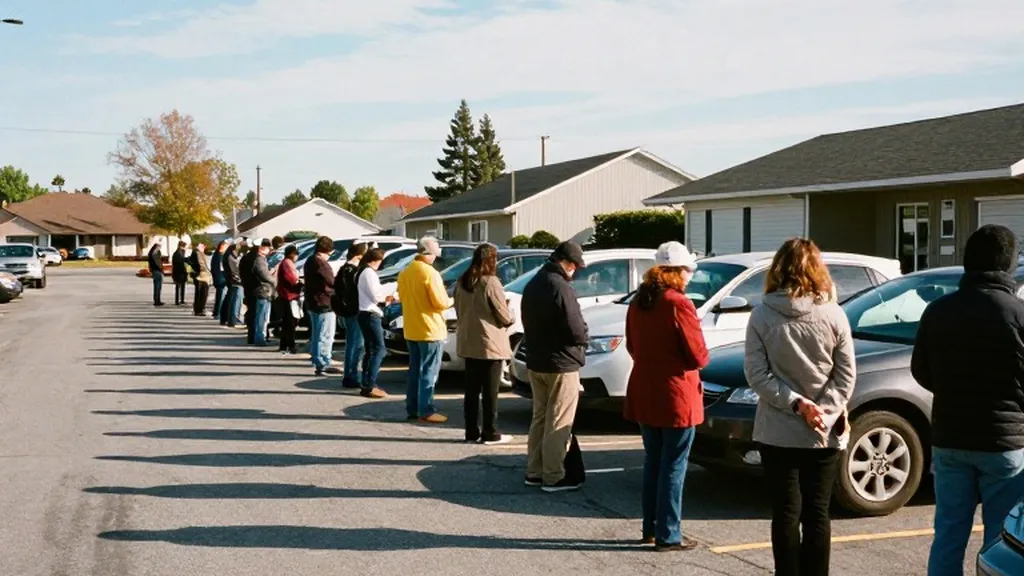
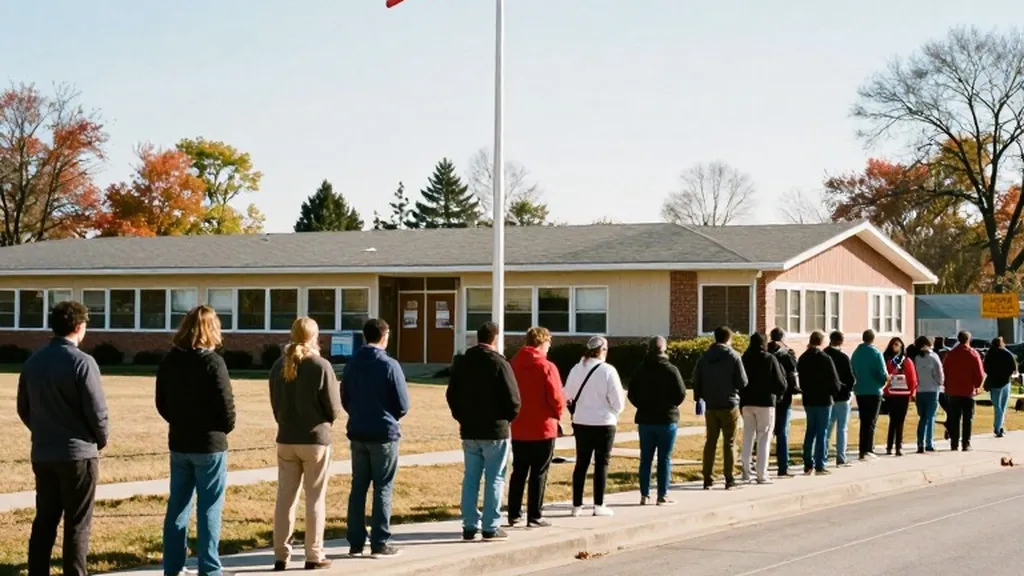
Voters across the United States are casting ballots on Election Day, Tuesday, November 3, 2026, to determine which political party will hold the gavel in Washington for the final two years of President Donald Trump's second term. The midterms are not just a check on the White House; they are a decisive vote on the legislative agenda, oversight powers, and the trajectory of the Republican Party. With polls open in all fifty states, the outcome will shape the balance of power in the Senate and the House of Representatives, setting the stage for a contentious final stretch of this administration.
According to Ballotpedia, all 435 seats in the House of Representatives are up for grabs. Republicans currently hold 218 seats, while Democrats hold 214. For Democrats to seize control of the lower chamber, they need a net gain of three districts. Republicans can afford to lose no more than two seats to maintain their majority. The Associated Press notes that the House is likely to be the more competitive of the two chambers, with 46 battleground districts identified by Ballotpedia. Of these, 25 are currently held by Democrats and 21 by Republicans, indicating a tight race that will likely come down to local dynamics and national mood.
In the Senate, 35 seats are on the ballot, including 33 regular elections and two special elections. Republicans hold 53 seats, Democrats 45, and two independents caucus with Democrats. Democrats need a net gain of four seats to take control, while Republicans can lose only two. The AP describes the Senate race as a referendum on Trump's second term, with voters struggling with high prices and angry over an unpopular war with Iran. AP-NORC polling shows that 35 percent of U.S. adults approve of Trump's job performance, and 25 percent approve of his handling of the economy. About seven in ten say the country is heading in the wrong direction, a sentiment that could drive turnout in key states.
Control of the House carries significant weight for the next two years, particularly regarding investigations and oversight. If Democrats win the House, House Democratic Leader Hakeem Jeffries would become the first Black speaker of the House. Jeffries has outlined a 100-day agenda focused on the cost of living and oversight of the executive branch. This agenda includes a push for transparency in spending and a review of executive orders. For conservative readers, the fear is that a Democratic House could initiate impeachment proceedings against Trump or his cabinet members, adding a layer of political friction to the final two years of the term.
Senate control affects the confirmation of nominees and the ability to pass legislation. A Republican Senate would likely continue to support the administration's judicial nominees and policy priorities, while a Democratic Senate could block or delay key appointments. The AP notes that a strong Democratic night would boost potential 2028 candidates such as Gavin Newsom, JB Pritzker, and Pete Buttigieg. Conversely, a Republican hold could solidify the path for Vice President JD Vance, who is seen as a potential successor. The outcome of this election will thus have ripple effects well beyond 2026, shaping the landscape for the next presidential campaign.
Money is playing a significant role in this election, with the 2026 elections likely to be the most expensive in history. Republican committees have outraised and outspent Democratic committees, helped by Trump-affiliated groups and Elon Musk. However, at the candidate level, Democrats have outraised their opponents. According to AP analysis of AdImpact data, 88.1 percent of Republican general election TV ad spending went to states and districts Trump won in 2024. This strategy aims to protect Republican incumbents in safe districts, but it also signals a focus on holding the base rather than expanding it. Democrats, on the other hand, are targeting swing districts where the margin of victory was narrow in 2024.
Turnout is a critical factor in this election. RNC Chairman Joe Gruters stated, "Everything depends on turnout. If we turn out our voters, we win, and that's what we've been planning for." DCCC Chair Rep. Suzan DelBene countered, "The American people are angry. They want change." More than 57 million people had already voted as of Monday, surpassing the early vote of four years ago in many closely watched states. This high level of early voting suggests a highly engaged electorate, with voters eager to express their views on the economy, the border, and the direction of the country. The AP notes that voters are particularly concerned about high prices, with most blaming Trump for the economic strain.
The election also has implications for the governor's offices, with 36 governorships up for grabs. Republicans hold 26 governor's offices, while Democrats hold 24. Democrats would need a net gain of two governorships for a nationwide majority, which Republicans have held since 2010. The AP identifies several competitive governor races, including Texas, Florida, and Iowa. A Democratic sweep in the governor races would signal a broad-based mandate for change, while a Republican hold would reinforce the party's dominance at the state level. The outcome of these races will also affect the implementation of state-level policies on healthcare, education, and infrastructure, which are closely watched by voters.
Administrative issues are also at the forefront of this election. A federal judge on Monday temporarily barred the Trump administration from carrying out a plan it says would prevent noncitizen voting. Critics argue that this move risks disenfranchising eligible voters and infringes on states' authority over elections. The U.S. Postal Service has added hours, staff, and special lines to ensure that mail ballots are counted on time. Wall Street is watching for more than control of Congress, with Reuters noting that results could add to investor concerns about AI spending and debt ceiling negotiations. The economic implications of the election are significant, with markets reacting to the prospect of a divided government or a unified Republican control.