Issue 3 Aims to Stop $223 Million in Annual Retail Spending from Leaving Arkansas
A new constitutional amendment would give local governments specific financing tools to attract private investment in housing, retail, and amenities without raising taxes.
By Yuna Patel ·
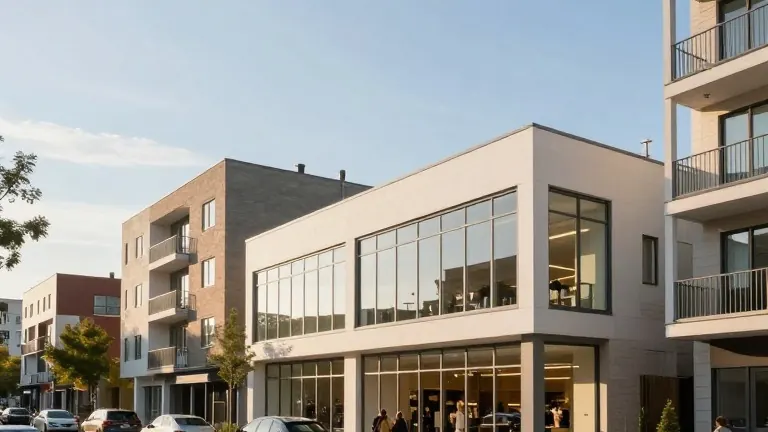
Arkasans are losing an estimated $223 million in retail spending to other communities every year. Residents travel across state lines or to distant localities to shop, dine, and purchase necessities, taking that revenue out of their home economies. A November ballot measure, Issue 3, seeks to change how local governments can incentivize the development of these missing amenities.
The proposal allows cities and counties to establish local economic development districts. These districts would have access to additional financing tools to encourage private investment. Under the amendment, a developer must make an upfront investment and meet agreed-upon performance goals. Only then does the developer receive reimbursements from new revenue generated directly by the project. This structure ties incentives to delivered results rather than providing upfront grants.
Graycen Bigger, executive director of the Northeast Arkansas Regional Intermodal Authority, says the need for these tools has become clear. Since 2020, her organization helped secure more than $76 million in private investment and supported the creation of over 1,100 jobs in the region. However, community feedback collected during the adoption of the organization's second strategic plan in 2025 showed a different priority. Residents expressed a strong desire for more restaurants, retail spaces, housing, and family amenities rather than just industrial jobs.
Arkansas currently competes for private investment without the same economic development tools available in 48 other states. Every state bordering Arkansas has comparable mechanisms. Bigger notes that this puts Arkansas communities at a disadvantage when competing for specific projects. A new restaurant or housing development may choose a neighboring community because that location offers financing options that Arkansas does not. Issue 3 would close this gap by giving local leaders flexibility to tailor incentives to their specific needs.
The amendment does not raise taxes. It requires developers to generate new revenue to fund their reimbursements. Implementing legislation and local agreements will establish specific financing arrangements and accountability safeguards. These rules will ensure transparency and public oversight. The tools are designed to be flexible, meaning a housing project in one town might use a different structure than a downtown revitalization effort in another.
Bigger acknowledges that the measure will not solve every challenge facing rural Arkansas. It does not guarantee that a developer will choose a specific community or that every project will succeed. Strong leadership, responsible planning, and infrastructure investment remain necessary. The measure simply provides another option for communities to pursue the development they want. Voters will decide on this issue in the November election.
Source: Talk Business & Politics
More Business · Business Watchdog · Report a business · Got a Story?