Gardeners Turn to Cover Crops for Soil Management
Extension specialists advise planting legumes and grasses in fall to boost nitrogen and prevent erosion.
By Layla Edwards ·
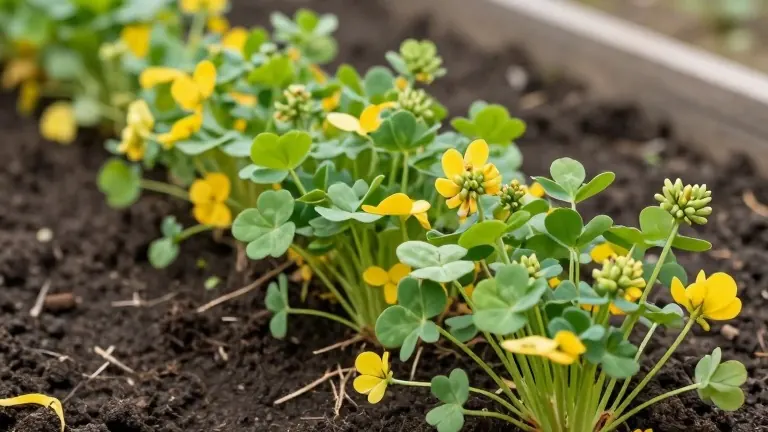
Home vegetable growers are increasingly adopting cover crops to manage soil fertility and reduce pest pressure. The practice involves planting specific species during periods when the garden would otherwise remain fallow, typically in early fall after the final harvest of summer produce. These plants are not harvested for food but serve to modify the physical and chemical properties of the ground.
The primary economic and agronomic benefits center on nitrogen fixation and nutrient recycling. Legumes such as clover, peas, and hairy vetch work with beneficial soil bacteria to capture atmospheric nitrogen, making it available for future crops. Additionally, the root systems of these plants absorb nutrients that might otherwise leach into groundwater or wash away in surface runoff. When the cover crop is terminated, the decomposing plant material releases these stored nutrients back into the soil profile.
Soil structure improves as cover crops add biomass below the surface. This increased organic matter creates better pore space, which enhances water infiltration, drainage, and aeration. The vegetation also suppresses weeds by establishing a dense canopy before weeds can emerge and set seed. Some species release allelochemicals from their roots that directly inhibit the growth of competing plants.
Katrina Burmeister, a certified Master Gardener volunteer with the University of Illinois Extension, serves DuPage, Kane, and Kendall counties. She notes that selecting the right species requires a clear understanding of specific garden goals. For weed suppression, fast-growing varieties are preferred. For soil management, plants that produce substantial biomass are ideal. Those seeking to improve fertility should focus on nitrogen-fixing legumes.
Timing is a critical factor in successful implementation. Most cover crops are sown in late summer or early fall. Growers must plan an exit strategy, as some species die naturally over the winter, while others require termination two to four weeks before spring planting. Termination methods vary and include using soil tarps, broad-forking, tilling, weed-whacking, or crimping the plant material into the soil.
Proper planning prevents cover crops from becoming difficult to control. Without attention to planting windows, germination rates, and growth habits, the plants can compete with garden crops rather than support them. Resources from the Midwest Cover Crop Council provide decision tools for selecting appropriate species based on local conditions.
Growers are advised to research specific characteristics of candidate plants before sowing. The University of Illinois Extension and other agricultural institutions offer detailed guides on planting dates and management techniques for home vegetable gardens.
Source: Shaw Local Lake County
More Business · Business Watchdog · Report a business · Got a Story?