Beaver Water District activates 32-acre solar park
The $10 million facility will offset 15% to 20% of the utility's electricity usage and is designed to save millions over its operational life.
By Yuna Patel ·
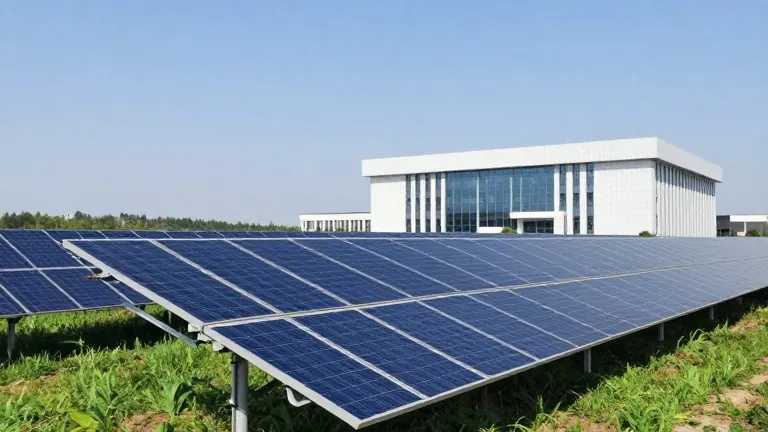
The Beaver Water District Solar Park will generate approximately 12,300 megawatt-hours of renewable energy each year. The new facility is the first major power source to meet 15% to 20% of the utility's total electricity requirements. This capacity allows the district to reduce its reliance on purchased power from external grid providers.
Madison Energy Infrastructure, a firm based in New York City, originated and financed the project. Verogy, a construction and development company headquartered in West Hartford, Connecticut, built the array. The two companies completed the construction of the 7.22-megawatt DC system. The facility is currently operational and located on 32 acres of land adjacent to the district's administrative center at 301 N. Primrose Road in Lowell.
The solar park consists of more than 15,000 panels mounted on a single-axis tracking system. These panels are designed to follow the sun's path to maximize energy capture. The system produces enough electricity to power nearly 1,140 homes annually. This output corresponds to a direct reduction in the district's long-term operating expenses.
Beaver Water District projects the installation will yield between $7 million and $11 million in lifetime savings. The financial model accounts for the reduced cost of energy over the system's operational lifespan. This investment supports the utility's service to more than 425,000 customers in Northwest Arkansas, including the cities of Fayetteville, Springdale, Rogers, and Bentonville.
The project is expected to remove approximately 8,264 metric tons of carbon dioxide from the atmosphere each year. This reduction is equivalent to taking nearly 2,000 passenger vehicles off the road. It also represents the elimination of over 21 million miles driven by an average gasoline-powered car annually.
M. Lane Crider, CEO of Beaver Water District, stated that the installation lowers long-term operating costs. He noted that the project supports regional growth and reinforces the utility's commitment to sustainability. Crider said customers will benefit from this investment for decades.
Ryan Coakley, chief development officer at Madison Energy Infrastructure, described the project as a result of a real partnership. He emphasized that the array is located directly across the street from the district's water treatment plant. Coakley said the facility delivers resilience and savings to the communities served by the utility.
Source: Talk Business & Politics
More Business · Business Watchdog · Report a business · Got a Story?