UK Central Bank Hikes Rate to 4% as Iran War Fuels Inflation
The Bank of England raised borrowing costs for the first time in three years, citing energy price shocks from the Strait of Hormuz conflict.
By Layla Edwards ·
Inflation in the United Kingdom hit 3.5% in September, the highest level in eleven months. This figure stood well above the central bank's 2% target. The gap between actual prices and the desired target prompted immediate action from policymakers.
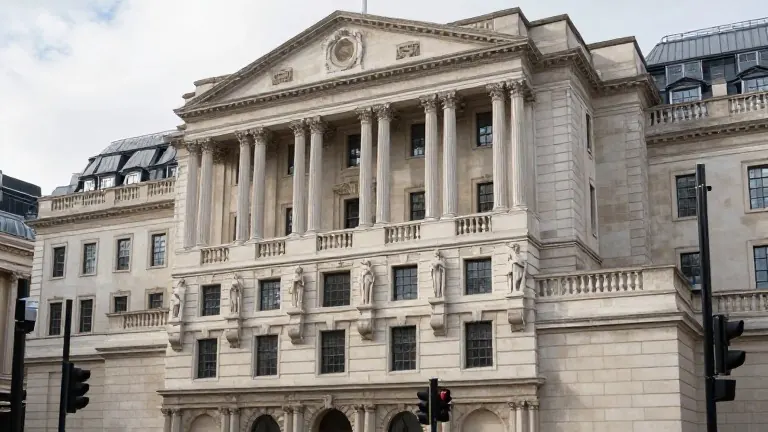
The Bank of England increased its benchmark interest rate by 0.25 percentage points to 4.0%. This was the first rate hike in over three years. The previous rate had been 3.75%. The last adjustment before this move occurred in August 2023. The decision reversed a trend that had seen rates fall from a 15-year peak of 5.25%.
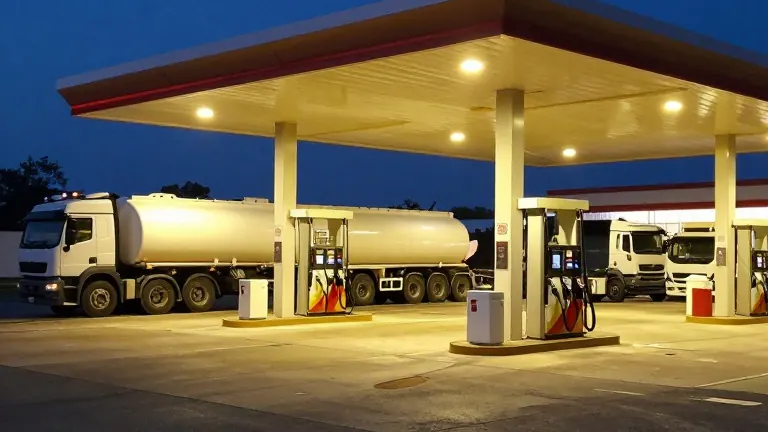
The Monetary Policy Committee, composed of nine members, voted to raise rates. They determined that current economic conditions required immediate stabilization. The primary driver for this shift was the surge in fuel costs. The ongoing war with Iran has created bottlenecks in the Strait of Hormuz. This critical chokepoint for global energy transport is now experiencing supply squeezes in oil and gas. These higher input costs are rippling through the wider economy.
Ellie Henderson, an economist at Investec, noted that committee members had little patience for the recent price increases. She warned that prolonged high energy prices risk making a temporary shock permanent. Her assessment aligns with the view that proactive measures are necessary to prevent entrenched inflation. The bank's new quarterly projections reflect high uncertainty due to the volatile geopolitical situation.
The economic outlook now depends heavily on developments in the Iran war. Higher interest rates are designed to cool the economy. By making borrowing more expensive, the policy aims to reduce spending and bring inflation under control. A key variable in this calculation is the recent drop in energy prices. This decline followed heavy losses by the Republican Party in the U.S. midterm elections. If these lower prices persist, the upcoming peak in inflation may be lower than feared.
The Bank of England is not the only central bank adjusting policy. The U.S. Federal Reserve and the European Central Bank have also raised rates recently. They face similar inflationary pressures stoked by the Iran war. Forecasts for these institutions remain contingent on energy prices. The interconnectedness of global markets means that shifts in U.K. monetary policy are closely watched by international investors.
The timing of this hike follows a period of downward trend in U.K. rates. That trend began after the U.S. and Israel attacked Iran on February 28. The conflict disrupted the previous easing cycle. It forced a rapid reassessment of economic risks. Policymakers in London now balance the need to curb inflation against the goal of supporting economic growth.
More Business · National news · Business Watchdog · Report a business · Got a Story?