Evergy sets 75 megawatt fee trigger
New tariffs target large industrial loads, not just data centers, to keep residential rates stable.
By Layla Edwards ·
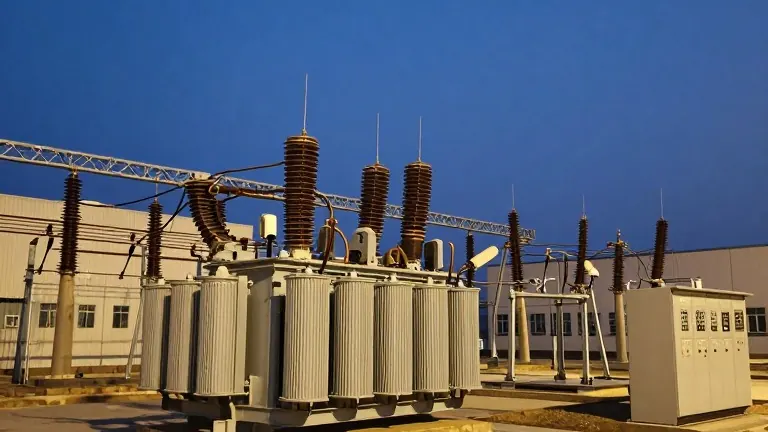
Evergy emailed customers Monday with details on new tariffs for high-power users.
The utility defines a large load customer as any entity with a peak electric demand exceeding 75 megawatts. This threshold applies to data centers, manufacturing plants, and logistics hubs alike. Evergy stated the rules protect ordinary consumers from rate increases caused by massive new loads.
Under the approved plan, qualifying customers must pay higher rates than other large commercial and industrial users. They also cover 100% of the cost for any infrastructure built exclusively for their use, such as substations or transmission lines. The Kansas Corporation Commission staff estimated these customers will pay 7% to 10% more than existing industrial clients.
The agreements require large load customers to sign long-term contracts of at least 12 years. This duration can extend to 17 years with a five-year phase-in option. Customers must also provide collateral equal to two years of their minimum monthly bills. These terms remain in place even if the customer expands its electric use by 75 megawatts or more.
Regulators in Kansas and Missouri have already approved these measures. The Kansas Corporation Commission passed the rate plan on Nov. 6, 2025, as part of a unanimous settlement involving Evergy and various stakeholders. In Missouri, state lawmakers passed Senate Bill 4 in 2025, which mandated that the Public Service Commission adopt rates ensuring large loads do not shift costs to residential or small-business customers.
Local public utilities in Missouri, such as Independence Power & Light, fall outside the jurisdiction of state investor-owned utility regulators. Consequently, the new Evergy rules do not apply to customers in cities like Independence or Gardner. Both towns have public, city-run electric utilities that manage their own rates and incentives separately from investor-owned providers.
Independence recently passed new restrictions on future data center development. These include setback requirements and caps on generator testing hours. The city is not applying these rules retroactively to the Nebius project, which broke ground in May. Independence’s contract with Nebius requires the data center’s power to come from a new, privately funded power plant.
Source: KCTV5
More Business · Business Watchdog · Report a business · Got a Story?