Cruise Giants Split Over Fuel Strategy Amid Oil Spike
Carnival, Royal Caribbean, and Norwegian reported strong quarterly results despite rising energy costs, revealing divergent approaches to managing fuel expenses.
By John Wilson ·
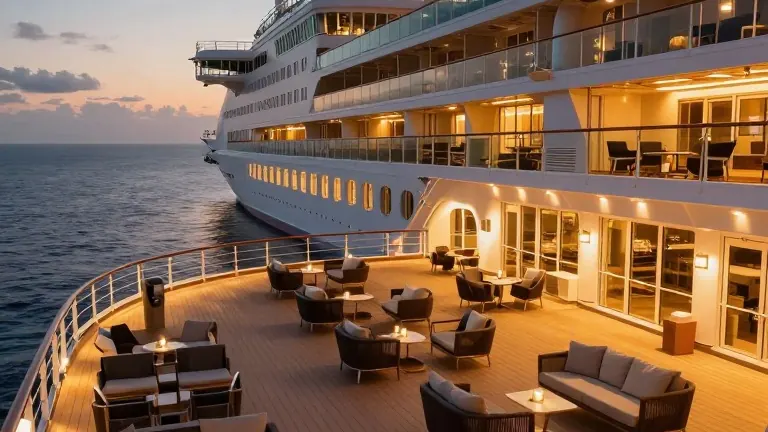
Cruise travelers face higher operating costs for their operators as oil prices remain elevated. The three largest cruise lines in the United States, Carnival, Royal Caribbean, and Norwegian Cruise Line Holdings, all posted strong financial results for their most recent quarters. However, the methods they use to protect their bottom lines differ sharply.
Fuel costs have risen since the U.S.-Israel war with Iran began on Feb. 28. Brent crude oil settled at $116.72 per barrel on Friday, marking a six-month high. With no clear end to the Middle East conflict in sight, pressure on ship fuel bills is expected to continue through the holiday travel season.
Royal Caribbean and Norwegian both employ hedging. This strategy uses financial derivatives to reduce exposure to future fuel price swings. Jefferies analyst David Katz noted that public companies often hedge to manage Wall Street expectations and prevent stock trading fluctuations based on fuel prices.
Carnival takes a different approach. CEO Josh Weinstein stated that reducing fuel consumption is the most effective way to control costs. Since 2019, the company has cut its unit fuel consumption rate by 26%. Weinstein estimated that this efficiency improvement saved the company about $700 million in 2026.
Carnival reported an all-time high net income of $1.9 billion for the quarter. The company spent $615 million on fuel, which represented 7.3% of its revenue. This is an increase from the $425 million, or 6.7% of revenue, spent in the fourth quarter of 2025. Carnival projects fuel costs will rise to $640 million in the fourth quarter.
Royal Caribbean beat analyst expectations for earnings per share but narrowly missed on revenue. CEO Jason Liberty said the company is more than 60% hedged for 2026, which helps insulate it from rising costs. The company spent about $347 million on fuel in the third quarter, or 6.2% of revenue. It projects fuel costs will reach $379 million in the fourth quarter. Liberty noted that consumer demand remains strong, with 2027 reservations up by a high-teens percentage.
Norwegian Cruise Line Holdings exceeded expectations on both revenue and earnings, reporting $2.9 billion in revenue and adjusted earnings per share of $1.12. The company has hedged approximately 48% of its fuel consumption for 2026. It spent about $196 million on fuel in the third quarter, representing 6.6% of revenue. This is a lower share than the 7.4% spent in the fourth quarter of 2025. Norwegian expects fuel consumption to rise slightly in the fourth quarter.
CFO Mark Kempa said the quarter's results reinforce confidence in the company's turnaround efforts. He noted that the performance demonstrates the ability to translate stronger revenue and disciplined cost management into improved profitability despite macroeconomic challenges.
Source: CNBC
More Business · Business Watchdog · Report a business · Got a Story?