Moon Mission Cost Estimates Rise
NASA’s latest internal projections indicate a significantly higher number of orbital refueling flights are needed to sustain a crewed lunar landing.
By Yuna Patel ·
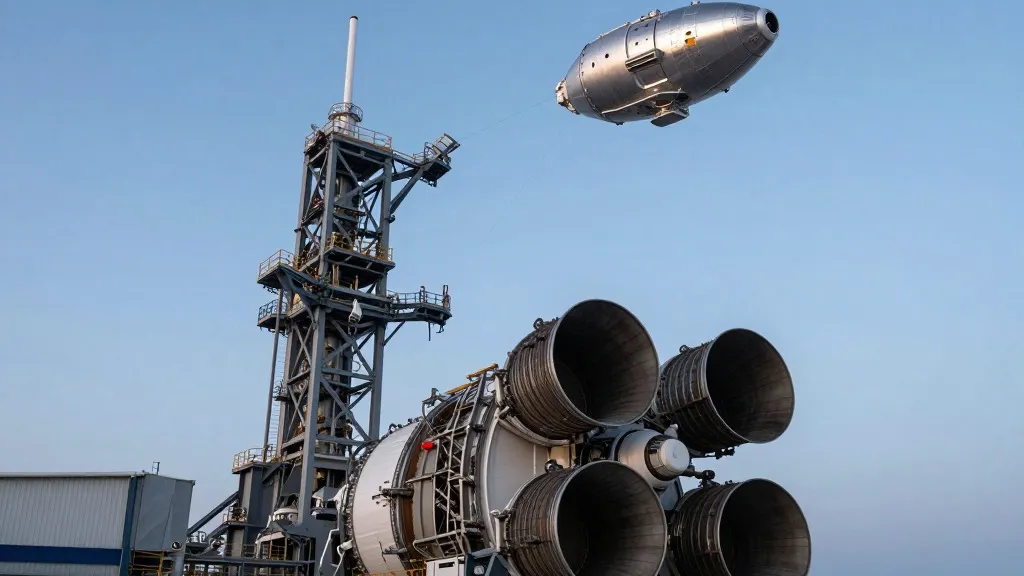
The financial and logistical footprint of returning humans to the lunar surface has just expanded significantly in the eyes of regulators.
A recent presentation by a former astronaut on the NASA Aerospace Safety Advisory Panel revealed a new, higher benchmark for the Artemis program. The updated estimate suggests that 22 launches of SpaceX’s Starship vehicle are required to fully fuel a lunar lander in low-Earth orbit. This figure represents the total number of flights needed to load the depot with liquid oxygen and methane propellant so the spacecraft can travel to the Moon, land, and return to orbit. This specific metric has historically been one of the most closely guarded numbers within the space agency, often treated with a level of secrecy comparable to nuclear codes.
The shift to this higher number reflects a growing concern among agency officials regarding the pace of technological improvements. For years, the administration has avoided pinning down an exact count, preferring to describe the requirement as a moving target. In 2023, Lisa Watson-Morgan, then the director of NASA’s Human Landing System, acknowledged that the agency had a general understanding of the requirements but was reluctant to disclose specific figures. She later characterized the necessary launch count as falling within the "high single digits to the low double digits" range, a description that implied approximately a dozen flights were necessary to complete the mission.
This new projection of 22 flights marks a substantial increase from previous verbal estimates, which occasionally referenced the "high teens." The discrepancy highlights the critical role of launch capacity in the program’s economic viability. The strategy relies on SpaceX dramatically increasing the lift capacity of the Starship rocket to reduce the number of tanker flights required. If the vehicle cannot carry more payload per launch, the cost and complexity of building a fuel depot in orbit will rise sharply. The additional flights are dedicated to delivering propellant to a stationary depot, which must then be filled before the crewed lander can depart for the Moon.
The timing of this updated estimate raises questions about the feasibility of the program’s current timeline. Some NASA officials are now expressing doubt that the necessary improvements in Starship’s performance will materialize quickly enough to play a meaningful role in returning humans to the Moon within this decade. The Artemis program aims to re-establish a sustained human presence on the lunar surface, but the dependency on a single, rapidly evolving commercial vehicle introduces significant risk. The 22-launch figure suggests that the logistical burden of orbital refueling is heavier than previously anticipated, potentially straining both the schedule and the budget.
The Aerospace Safety Advisory Panel’s quarterly meeting on Thursday provided the venue for this disclosure, with Charlie Precourt, a former NASA astronaut, detailing the risks associated with the lunar landing campaign. His remarks underscore the technical challenges inherent in the refueling process, which involves multiple complex maneuvers in orbit. The agency has long preferred to keep these details private, but the increasing visibility of the program’s dependencies on commercial partners is pushing for greater transparency. The move from a "low double digit" estimate to the high 20s signals a conservative approach to planning, ensuring that enough margin exists to account for potential delays or inefficiencies in the launch cadence.
For the broader market, this development underscores the importance of reusability and rapid turnaround times for heavy-lift rockets. The ability to launch a depot and then a series of tankers in a short window is essential to keeping the mission viable. If the number of required launches remains high, the cost of each individual flight becomes a critical variable in the overall program budget. Investors and stakeholders in the space sector will likely view this updated estimate as a key indicator of the operational challenges ahead. The data suggests that while the technology is advancing, the scale of the engineering effort required to support a crewed lunar mission is larger than earlier optimistic projections had suggested.
Source: Ars Technica · original report published
More Business · Business Watchdog · Report a business · Got a Story?