2028: The Target Year for NASA's Revised Lunar Landing Plans
NASA officials outlined a streamlined architecture for Artemis IV, removing complex orbital maneuvers to potentially accelerate the return of humans to the Moon.
By Yuna Patel ·
The year 2028 has emerged as the critical deadline for a new phase of human lunar exploration, a target date that NASA officials reaffirmed during a detailed briefing on Friday. While the agency has previously discussed these timelines in general terms, this session marked the first comprehensive public overview of the specific architectural shifts underpinning the Artemis Program. The focus of the presentation was on how the agency intends to return astronauts to the lunar surface by that date, relying on a modified approach to spacecraft integration that addresses long-standing technical hurdles.
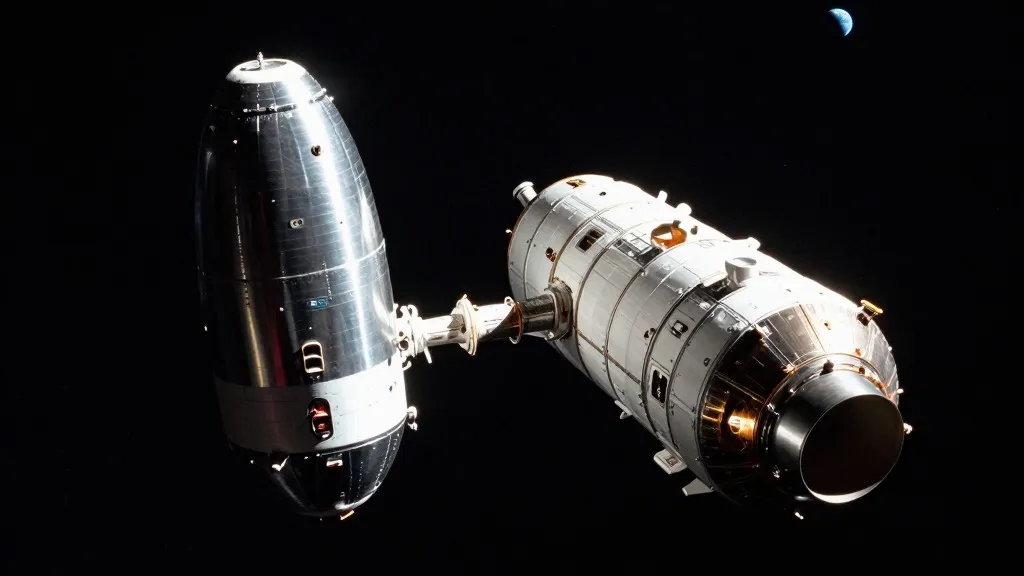
The most significant alteration in the new framework involves the handling of SpaceX’s Starship vehicle. Under the revised plan, the Orion spacecraft will now dock with the Starship lunar lander in high-Earth orbit. This change eliminates the previous requirement for the two vehicles to meet in a complex near-rectilinear halo orbit around the Moon. By moving the docking procedure to an orbit closer to Earth, the agency aims to reduce the energy demands and operational difficulties that had plagued the earlier design concept.
A similar simplification has been applied to the architecture involving Blue Origin. The updated plans for this partner include four launches of the New Glenn rocket. Notably, this configuration removes the need for in-space refueling between spacecraft, a process that had introduced significant complexity and risk. Furthermore, the Blue Origin pathway now allows for the possibility of its Blue Moon lander rendezvousing with Orion in low-Lunar orbit, offering a more direct route for the crewed segment of the mission.
NASA Administrator Jared Isaacman emphasized the agency's confidence in these revised timelines during the news conference. He stated that the current trajectory is an "achievable path" that the agency is actively pursuing. Isaacman noted that the administration possesses the necessary mandate, resources, and stakeholder support to execute these plans as intended, signaling a shift toward a more aggressive schedule for the program's next major milestones.
The immediate next step in this sequence is the Artemis III mission, which is still anticipated to launch by the summer of 2027. This mission will serve as a critical demonstration, involving a docking procedure between both the Blue Moon and Starship vehicles in the vicinity of Earth. Success in this test phase is viewed as a prerequisite for the more ambitious Artemis IV mission, which is tracked for a 2028 launch and would mark the first actual landing of astronauts on the lunar surface under the new architectural guidelines.
The revision of these plans follows a period of intense review by NASA leadership, who have examined every element of the Artemis Program to identify areas where changes could help the lunar lander companies accelerate their development. The cancellation of the Lunar Gateway project earlier this year played a pivotal role in resolving issues for SpaceX. The agency’s decision to scrap that infrastructure removed the requirement for the specific orbital maneuvers that had been a point of contention in early 2026 meetings between NASA and SpaceX engineers.
Despite the clarity provided by the new framework, questions remain regarding the feasibility of holding to such tight deadlines. The transition from planning to execution requires precise coordination between multiple private partners and government agencies. As the agency moves forward, the success of the 2027 demonstration mission will be the first major indicator of whether the 2028 landing target is realistic or merely aspirational.
By streamlining the docking procedures and eliminating unnecessary refueling stages, NASA appears to have addressed the most persistent technical objections raised by its commercial partners. Whether these structural changes will translate into a successful and timely return to the Moon remains to be seen, but the agency has committed to the timeline with a level of detail not previously offered to the public.
Source: Ars Technica · original report published