Starship Tanker Count: Musk Says 6 To 8, NASA Panel Cites 22
A NASA safety panel put the figure at 22 flights to fuel the Artemis IV lander for a 2028 Moon mission.
By John Wilson ·
Elon Musk is challenging a NASA safety advisory panel's estimate of how many Starship launches it will take to fuel a lunar lander, arguing the required number is far lower. The disagreement surfaced after the Aerospace Safety Advisory Panel met Thursday.
Panel member Charlie Precourt, a former NASA astronaut, identified propellant transfer as a major risk for Artemis IV, the mission planned to put a crew on the Moon in 2028. "We need to keep our eyes on numerous required fuelings for the lander," Precourt said, as reported by Ars Technica. "I think the last estimate is around 22 flights." Ars Technica's Eric Berger posted the remark on X, and Musk replied directly to the estimate. "That's way too high," Musk wrote. "Actual number will be more like 6 to 8."
The gap comes down to what Starship can deliver to orbit. Fuel and oxygen aboard the vehicle are kept at extremely low temperatures, and some boils off while the rocket waits in orbit, with further losses during each transfer between ships. NASA's figure reflects what Starship can lift now, while Musk's range assumes a more capable vehicle.
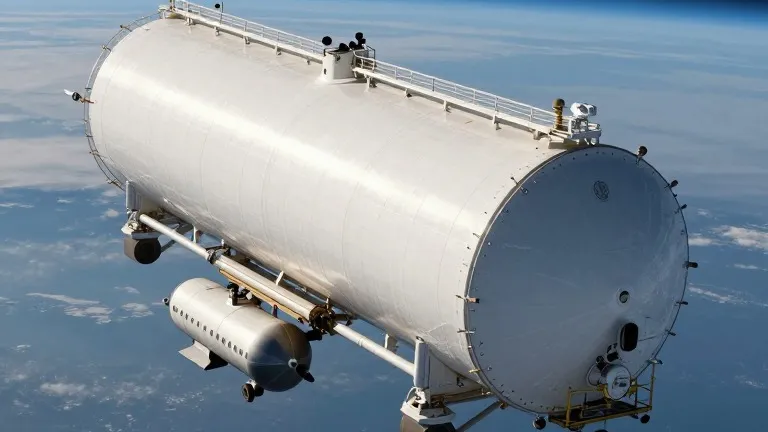
The launch count carries direct costs. Each tanker flight is a full rocket launch, and Berger estimated that even at two Starship launches per week by the end of 2027, filling a depot to the panel's figure would take about three months. Starship's configuration for lunar missions requires an orbital depot: one Starship launches first as a storage tank, tanker Starships dock and transfer their remaining propellant one at a time, and once the depot is full the lunar lander version launches, refills and departs for the Moon.
Musk has pushed back on similar figures before. After a government document in 2021 suggested 16 launches, he called that "extremely unlikely" and said eight tankers would be the maximum needed.
Precourt said Artemis IV carries "a large number of firsts." He also commended the team of NASA Administrator Jared Isaacman for working to remove obstacles for both SpaceX and Blue Origin, whose Blue Moon lander does not depend on orbital refueling for its first mission. SpaceX plans to carry out the refueling with its upgraded V3 Starship.
Source: Teslarati