London Restaurateurs Pivot to the Gulf Amid Domestic Tax Concerns
High-profile London chefs are expanding into the Middle East, citing a punitive domestic tax regime and more favorable business conditions abroad as primary drivers.
By Yuna Patel ·
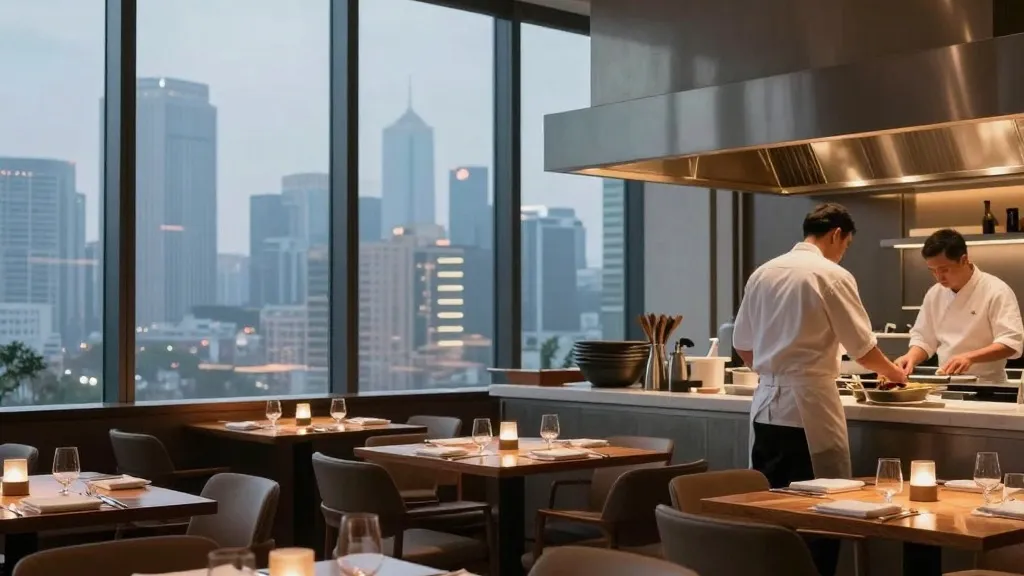
London's culinary elite is accelerating its expansion into the Gulf, with several prominent chefs citing a 'tax tsunami' at home as a decisive factor in their relocation strategy. This shift signals a growing preference for international markets where regulatory burdens are perceived as lighter and operational incentives are stronger. The movement includes some of the city's most celebrated dining destinations, suggesting a broader trend within the hospitality sector rather than isolated ventures.
James Robson, co-owner of Fallow, a high-volume restaurant in St James's Market that serves 1,000 guests daily, has recently secured a deal to open an outpost in the region. Fallow has gained significant attention through social media, boasting 650,000 Instagram followers, and is known for distinctive dishes such as a whole cod's head served with spicy butter sauce. Robson is not alone in this strategic move. Scott's, a well-known Mayfair venue, has established a presence in Dubai. Similarly, Gymkhana, which holds two Michelin stars, and Park Chinois, an upscale Chinese restaurant, have also opened locations there. The trend extends to other sectors, including the Borough Market bakery Bread Ahead in Dubai and the political favorite Isabel's, which has expanded to Abu Dhabi.
The expansion is proceeding despite recent geopolitical instability in the Middle East. Earlier this year, conflict involving the United States, Israel, and Iran resulted in bombardment near Dubai, triggering a wave of expatriate departures. Some dining establishments continue to face challenges as a result. Dinner by Heston, for instance, has remained temporarily closed following the war's aftermath. Additionally, the Michelin guide faced criticism earlier this month for including 16 restaurants that were closed, either permanently or temporarily. The guide attributed this to inspections conducted at the start of the year, before the conflict escalated.
From his current base in Hong Kong, where he is evaluating opportunities in Asia, Robson identified East Asia, the United States, and the Gulf as primary growth targets. He highlighted specific advantages in each region. In his assessment, the United States champions business interests, the Gulf actively encourages and assists new entrants, and East Asia maintains a work ethic and tax system that he believes compares favorably to the UK. This global perspective underscores a strategic calculation that domestic conditions no longer offer the optimal environment for growth.
A central point of contention for these operators is the value-added tax rate on hospitality. The UK currently charges 20%, a figure that places it among the highest in Europe, where the average for restaurants is approximately 12%. Italy, for comparison, levies a 10% tax on food sold in dining establishments. Industry leaders are urging Chancellor Andy Burnham to reduce this rate in next week's budget. Robson described the country as having 'sleepwalked into multiple anti-growth taxations' over the last two budget cycles and anticipates further measures next week. He specifically pointed to the 25% corporation tax rate and dividend taxes of 40% or more, arguing for a VAT structure more aligned with European standards.
The financial logic behind the expansion is clear to several high-profile figures. Michelin-starred chef Jason Atherton now spends a third of his working hours at his Dubai restaurant, noting that profitability is easier to achieve abroad than in London. Robson expressed that while he does not resent contributing to the UK's national deficit, the current balance of risk and reward in the domestic market no longer makes sense. Consequently, he is adopting a cautious approach at home while focusing his expansion efforts overseas to mitigate financial risk.
However, the move has drawn scrutiny from human rights advocates who urge caution. Felix Jakens, the campaigns director for Amnesty International UK, noted that the United Arab Emirates has a poor record regarding workers' rights and protection from labor exploitation. He emphasized that the country's significant investment in its international image, particularly through high-profile associations like Manchester City, should not obscure the treatment of its workforce. This perspective adds a layer of social responsibility to the commercial decision-making process.
Jakens highlighted that migrant workers, who constitute the majority of the UAE's population, remain tied to a sponsorship system that binds them to their employers. This arrangement exposes them to potential abuse and denies them the right to form trade unions. He stated that any UK business expanding into the region must conduct thorough human rights due diligence. This ensures that kitchen staff are treated fairly, compensated appropriately, and can raise concerns without the fear of losing their employment or visa status.
Source: The Guardian
More Business · World news · Business Watchdog · Report a business · Got a Story?