Cuban Hospitals Struggle With Power Cuts and Supply Gaps
A two-month-old boy died at a Havana hospital after complications, illustrating how new U.S. trade restrictions are straining medical care on the island.
By Yuna Patel ·
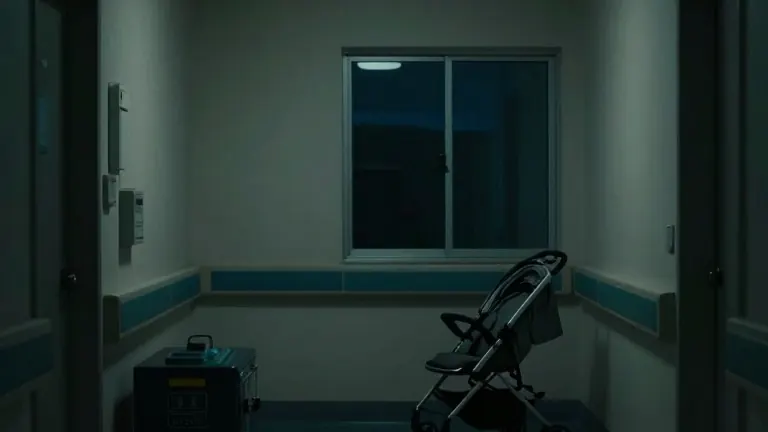
Cuba sits 90 miles from the United States, yet its hospitals face growing difficulties securing basic medical supplies. A two-month-old boy who was abandoned and found dehydrated at William Soler Pediatric Hospital in Havana died on Thursday after suffering respiratory complications.
Dr. Alejandro Chong, head of the intensive care unit at the hospital, explained that the infant required specialized formulas typically imported from the United States. With those imports scarce, staff had to create substitutes using malanga, a starchy root vegetable, and chicken. The boy was readmitted to the ICU before his death, marking a grim outcome in a facility where resources are tightening.
The electrical grid has been severely impacted by a lack of fuel. Cuban officials stated that only one tanker of oil has reached the island since early January. At the pediatric hospital, generators kick in during blackouts, but the brief gap in power can be dangerous for patients on ventilators or under anesthesia. Doctors reported finishing surgeries by phone light when backup systems failed and manually pumping oxygen for critical patients when machines stopped working.
Staff shortages have compounded the supply issues. Many doctors have left the profession or the country due to low pay and exhaustion. Dr. Chong earns more from his own food stand than from running the ICU. Dr. Lórien Rodríguez, a pediatric surgery resident, works as a radio announcer to support herself. She noted that the reduced personnel and resources make daily tasks much harder, forcing doctors to tell patients they cannot provide certain treatments.
The current crisis has roots in decades of U.S. trade embargoes, but President Trump’s administration has recently intensified pressure by threatening to sanction foreign companies that do business with Havana. Although Washington says it does not intend to block food and medicine, many foreign vendors have halted shipments to avoid penalties. Cuba’s deputy foreign minister, Carlos Fernández de Cossío, acknowledged that the government has a responsibility to its people while arguing that external U.S. policies significantly influence the population’s reality.
Cuba recently implemented major economic reforms, including ending state monopolies on fuel and banking, which allowed U.S. companies to sell fuel to private sectors. However, the cost remains high for many citizens. Eggs now cost more than a monthly salary for some workers, pushing families to rely on black markets for medicine. The country also lost Venezuela as a key oil supplier earlier this year, further straining its energy independence.
Source: CBS News