Kyushu: A cheaper alternative to Tokyo
Visitors can experience Japan's volcanic landscapes and culture for significantly less than the cost of a trip to the capital.
By Layla Edwards ·
More than 2 million Americans visit Tokyo every year, a trip that often costs families a fortune. A three-day visit to Tokyo Disneyland and DisneySea alone can cost a family of four about 350,000 yen, or roughly $2,200, before other expenses are added. That price tag pushes some travelers to look for other options in Japan.
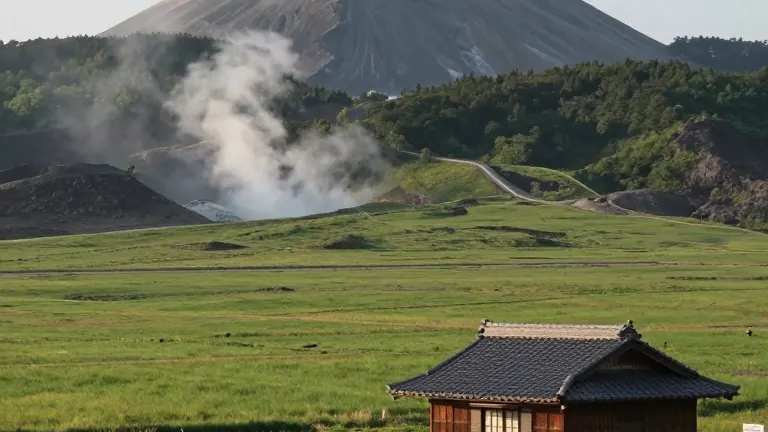
Kyushu, an island southwest of Tokyo, offers a different experience. The region is defined by volcanic highlands, coastal hot springs, and the city of Fukuoka. While domestic travelers have long favored the area, many Americans have ignored it in favor of Tokyo, Kyoto, and Osaka. The island’s terrain features volcanic basins and forested slopes that differ from the busy urban centers of the country’s major cities.
Fukuoka serves as the main gateway to the island. It combines the energy of a large metropolis with a lower cost of living. Radu Cernia, the general manager of The Ritz-Carlton, Fukuoka, notes that the city appeals to travelers who have already visited Japan’s biggest cities and are looking for more depth. The Ritz-Carlton, which opened in 2023, has 167 rooms that cost about half the price of the hotel’s Tokyo location.
Travelers can move easily between the island’s seven prefectures using the Kyushu Shinkansen and local rail lines. The Aso region, near the center of the island, features one of the world’s largest volcanic basins. The area includes open meadows and steaming vents. Teno, a village in the region, has a history that stretches back more than two millennia. It is home to Kokuzo Shrine and the stump of a massive ancient cedar tree.
Hot spring towns in the Aso area offer a slower pace for visitors. Aso Uchinomaki Onsen is a key destination in the basin. Local ryokans provide mineral-rich baths fed by natural springs. Takanosho offers separate cottages with indoor baths, while Sakura no Yado is a 150-year-old traditional house that serves inventive local food. In Tarutama Onsen, steam from geothermal vents is used to cook local vegetables and eggs in a method that has been used for centuries.
The region’s relationship with nature includes occasional seismic activity. The 2016 Kumamoto earthquakes left visible marks on the landscape. A fallen bridge on the outskirts of Aso remains as a memorial. A nearby earthquake museum incorporates a condemned former school into its complex. A 6.8 magnitude quake in July caused collapsed homes and landslides across Kumamoto Prefecture, but reports indicate that operations have largely returned to normal.
Fukuoka provides a polished urban end to a trip. The city has efficient transit, waterfront districts, and a diverse dining scene that includes street food stalls called yatai. Ohori Park and Kushida Shrine offer green space and history. The city also serves as a growing gateway for cruise ships. Azamara, Celebrity, and other major lines have scheduled stops in 2027. Starting in August 2028, the Viking Neptune will include Fukuoka in a 15-day Japan itinerary. Port schedules show that the number of ships calling on Kyushu peaks in the spring and fall.
Source: The Oakland Press