US$113 Oil Price Forces Treasury to Trim Growth and Job Forecasts
Motorists now pay $36 more per tank as Middle East conflict drives crude costs to near April peaks ahead of the December budget.
By Layla Edwards ·
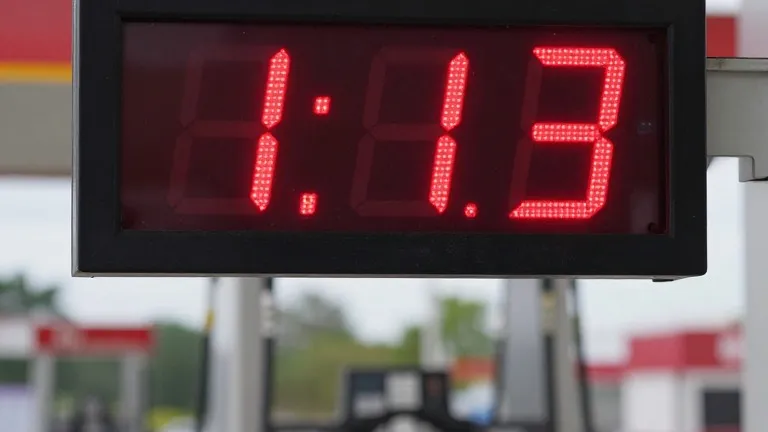
US$113. That is the overnight price of global benchmark oil, a level that sits close to the nearly US$120 peak recorded in April. The surge has forced the Australian Treasury to lower its economic forecasts, with slower growth and higher unemployment now expected for the upcoming period.
The shift marks a rapid change in tone for Treasurer Jim Chalmers. Just last week, he suggested to voters that the economy would be "a bit better" in a year. By Friday, he was acknowledging that his officials were adjusting their models downward ahead of the mid-year budget update scheduled for December.
The primary driver of the change is the widening conflict in the Middle East. Following US and Israeli attacks on Iran, Australian fuel prices rose by 60 cents per litre. For the average driver with a 60-litre tank, that increase adds $36 to the cost of a single fill-up. A family that refuels weekly is now spending $144 more each month compared to February levels.
Risk analysts warn the situation may worsen. The New York Times reported that the US and Israel have drafted plans to resume attacks on Iran after the American midterm elections. Westpac analysts outlined a scenario where oil prices climb to US$150, a warning echoed by the International Monetary Fund earlier this month. Such a spike would intensify inflation and complicate the Reserve Bank's decision on a potential fifth interest rate rise, which is due on 3 November.
Global market stress adds to the domestic pressure. Investors grew uneasy about rising corporate debt linked to artificial intelligence infrastructure spending, triggering a steep sell-off on Wall Street overnight. Community opposition to new datacenters may also slow the sector's expansion, adding short-term stress to the broader tech sector.
RBA Governor Andrew Hauser described the current mix of high inflation, low growth, and rising unemployment as a "nightmare" for central bankers. Chalmers acknowledged the strain on households, telling Politico that the pressures are "very substantial" and keep him awake at night. He noted that Australia is "hostage" to decisions made in Washington, Tehran, and Eastern Europe, which are pushing up global inflation.
Chalmers faces a difficult path forward. Cutting the fuel excise would lower petrol prices but cost the government billions, making it harder for the Reserve Bank to control inflation. Conversely, announcing large spending cuts in December would help the central bank but could push unemployment higher in an already weak economy. The treasurer has little room for error as he prepares the next budget update.
Source: The Guardian
More Business · World news · Business Watchdog · Report a business · Got a Story?