Scammers Steal $68 Billion From Americans, ABA Reports
New data reveals that nearly three-quarters of U.S. residents have faced a fraud attempt, with criminals leveraging AI and deepfakes to bypass traditional security checks.
By Yuna Patel ·
Americans lost $68 billion to scams and fraud, according to an estimate by the Gallup organization cited by the American Bankers Association. Paul Benda, the executive vice president for risk, fraud, and cybersecurity at the association, described the threat as a criminal industrial complex. He noted that these groups generate billions of dollars annually and have become highly effective in their methods.
The Association reports that nearly three in four Americans have experienced a scam or fraud attempt. Benda said these attempts arrive through text messages, email attachments, links, phone calls, and letters. Criminals have moved beyond simple misspellings and bad grammar. They now use artificial intelligence to craft perfect emails, build convincing websites, and clone voices using deepfake technology to deceive victims.
Benda said scammers rely on urgency and fear to prevent victims from thinking logically. They may claim a child is in trouble or that a bank account has suspicious transactions. He advised people to stop, breathe, and verify the issue directly with the source. He warned that criminals can manipulate caller ID to display a bank's number, making it difficult to distinguish legitimate calls from fraudulent ones.
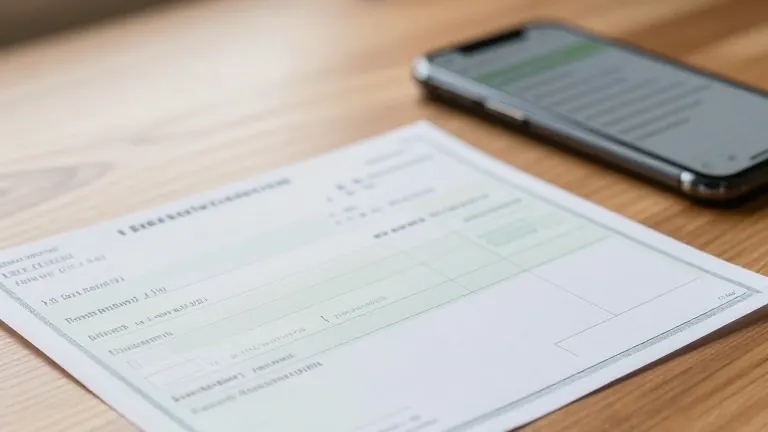
Red flags include offers of large prizes, sudden major problems, and requests for payment via gift cards or payment apps. Benda cautioned against mailing or handing over checks without careful consideration. He explained that a check contains a person's name, address, bank routing number, and account number. He asked readers to consider whether they would give that information to a stranger on the street, implying they should not give it to a fraudster.
The U.S. Department of Treasury states that paper checks are 16 times more likely to be lost, stolen, or altered than other payment methods. Benda said criminals infiltrate post offices to steal checks. Once they obtain the bank routing and account numbers, they can print checks in the victim's name. This practice allows fraudsters to drain accounts undetected until the money is gone.
Benda said victims should not feel ashamed if they fall for a scam. He emphasized that criminals are skilled at their work. He encouraged individuals to practice safe check handling and take time to process requests before meeting any demands. Fear and pressure often lead to costly mistakes. Readers can find more information and a quiz on the association's website to help them identify and prevent fraud.
Source: WDRB
More Business · Business Watchdog · Report a business · Got a Story?