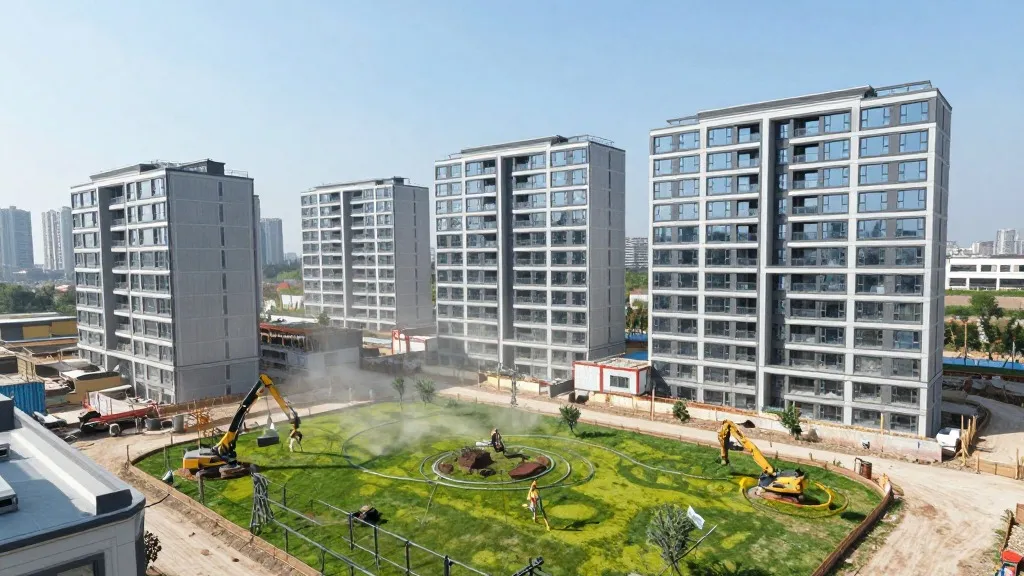
Honolulu Breaks Ground on Massive Mixed-Income Housing Project
A 15-acre redevelopment in the Kalihi-Palama district marks a significant shift in Hawaii's approach to public housing by integrating market-rate and subsidized units in a single large-scale development.
By John Wilson ·
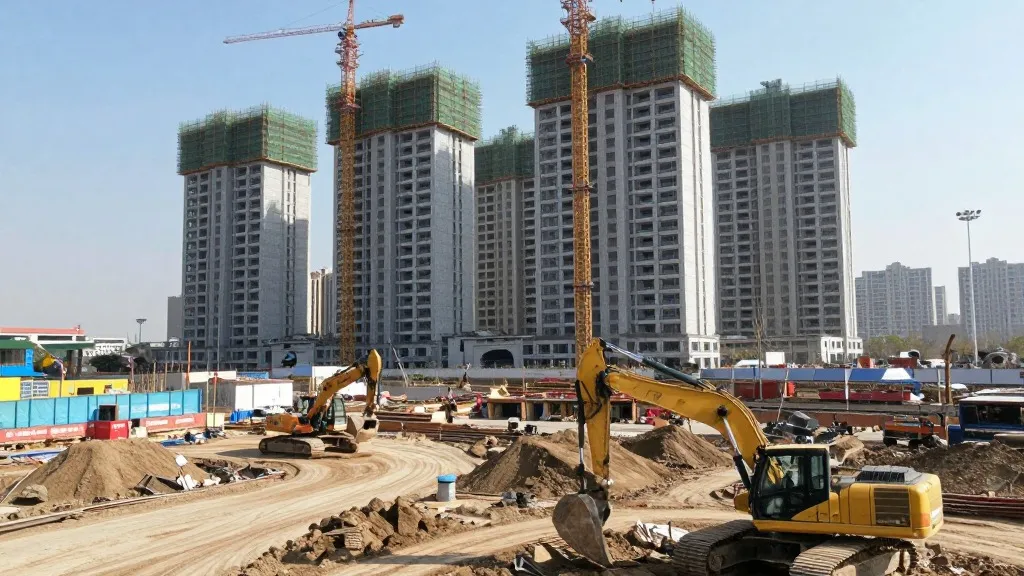
Hawaii’s housing landscape has long been defined by a scarcity of affordable options, a crisis that state leaders have struggled to address for decades. On Thursday, officials and community leaders gathered to mark a pivotal step in altering that trajectory with the groundbreaking of the first phase of the Mayor Wright Homes redevelopment. This initiative stands as the largest public housing undertaking in the state's history, signaling a major expansion of available rental stock in the Kalihi-Palama neighborhood near downtown Honolulu.
The project involves a complete transformation of the existing 15-acre complex, which has been in operation for nearly 75 years. The site is bordered by King Street, Liliha Street, and Vineyard Boulevard. The Hawai‘i Public Housing Authority is partnering with developer Highridge Costa to replace the aging infrastructure. Organizers emphasize that the new development will significantly increase capacity, offering seven times the number of homes currently available at the location.
A key distinction of this new plan is its shift toward mixed-income living. Unlike the current complex, which serves primarily very low-income residents, the new towers will accommodate a broader range of income levels. This approach aims to reduce the concentration of poverty often associated with traditional public housing projects. The design intends to create a more integrated community structure that supports long-term stability for a diverse resident base.
Hakim Ouansafi, the executive director of the housing authority, framed the ceremony as a symbolic and practical departure from historical methods. He stated that the event represented more than just a ceremonial start to construction. Ouansafi noted that the state cannot solve future housing challenges by relying on past approaches, emphasizing the need for new models of development and management.
The architectural plans call for more than 2,400 new rental units spread across ten towers. These units will range in size from studios to five-bedroom homes. The development will also include public housing units, condominiums available for purchase, and commercial spaces. This mixed-use design is intended to create a self-contained neighborhood with essential amenities and economic activity within walking distance.
Income eligibility criteria are central to the project's structure. More than half of the units are reserved for tenants earning less than 80 percent of the area median income. Subsequent phases will expand eligibility to households earning up to 100 percent of the area median income, a threshold that corresponds to roughly $150,000 annually for a family of four. Residents currently living in the Mayor Wright complex who are displaced during the construction process are being relocated and will have priority access to return to their new homes.
Governor Josh Green highlighted the project's role in the state’s broader housing strategy. He described stable housing as a foundation for overall well-being, noting that it allows individuals to focus on education, food security, and health care. Moe Mohanna, president of Highridge Costa Development Company, commended the state for undertaking an initiative of this magnitude. He described the work as a legacy project that would benefit generations of residents.
Financial estimates for the project reflect its scale. The housing authority projects that Phase 1A will cost $333 million. A 2017 estimate for the entire redevelopment placed the total cost at $1.3 billion. The plan includes four acres of public parks and recreational areas. Additionally, the site is positioned to be within walking distance of the planned Iwilei rail station, enhancing connectivity for future residents.
Honolulu Mayor Rick Blangiardi linked the development to the upcoming Skyline rail line, describing the combination of affordable housing and transit infrastructure as unprecedented. The first building is scheduled to open in 2029, with the full redevelopment expected to take 15 years to complete. The project represents a significant investment in long-term housing solutions for the region.
Further details about the project and its timeline can be found at mayorwrighthomes.com. This initiative marks a new chapter in how the state approaches public housing, aiming to balance density, affordability, and community integration in one of the city's most central locations.
Source: Hawaii News Now
More Business · Honolulu news · Business Watchdog · Report a business · Got a Story?