Tesla Terminates Australian Cybertruck Program After Seven-Year Deposit Wait
The electric vehicle maker has voided all regional reservations, citing the high cost of right-hand-drive engineering against a backdrop of slowing global pickup truck sales.
By John Wilson ·
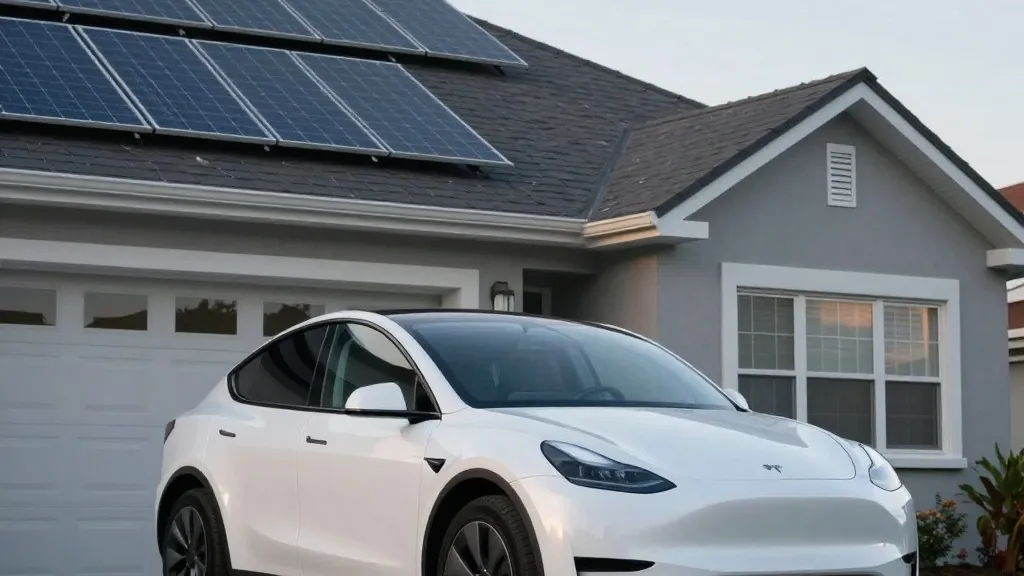
Tesla has officially voided all Cybertruck reservations for Australia and New Zealand, ending a nearly seven-year wait for customers who initially paid A$150 in November 2019 to secure their place in line. The decision, communicated via email to reservation holders this morning, marks a definitive end to the truck’s availability in these specific markets. Customers will receive full refunds for any payments made, with the process expected to conclude within 30 days. As a financial incentive to retain these customers, Tesla is offering a free one-year subscription to its Supervised Full Self-Driving software for those who switch to a Model 3 or Model Y.
The cancellation follows closely on the heels of Tesla’s third-quarter 2026 earnings report, suggesting a strategic realignment of the company’s product portfolio. The core issue remains the vehicle's design: the Cybertruck is manufactured exclusively in left-hand drive. For markets like Australia and New Zealand, which require right-hand drive vehicles, this necessitates a significant re-engineering effort and rigorous local certification. Tesla’s international expansion to date has relied on left-hand-drive markets, including South Korea, the UAE, Saudi Arabia, Qatar, Jordan, and Israel, while the truck remains blocked in the European Union primarily due to pedestrian safety regulations.
Financial analysts point to weak volume projections as the primary driver for the cancellation. In the third quarter of 2026, Tesla delivered 8,295 units categorized as "Other Models," a segment that is now almost entirely composed of Cybertrucks following the end of Model S and Model X production. Estimates place Cybertruck sales for the quarter between 7,000 and 8,000 units, equating to an annual pace of roughly 30,000 vehicles. This figure stands in stark contrast to the production line’s capacity of 250,000 units annually, raising questions about the economic viability of investing in a right-hand-drive variant for two markets with a combined population of approximately 33 million.
The situation in Australia had been in limbo since May 2022, when Tesla quietly closed the reservation page and replaced it with a button to receive updates, without issuing refunds at the time. Crowdsourced data from 2020 indicated that Australia was the third-largest market for Cybertruck reservations, accounting for roughly 3% of the global total. By 2023, total reservations were estimated at around 2 million worldwide. Although CEO Elon Musk told shareholders in 2024 that certification for other markets might occur "sometime next year," the truck never received its right-hand-drive adaptation, leaving early depositors in a prolonged state of uncertainty.
The decision underscores the Cybertruck’s evolution into a niche, predominantly American product. While the vehicle has seen some international traction, its US sales have declined from approximately 39,000 units in 2024 to a fraction of that volume today. For Tesla, the strategy appears to be focusing on selling the existing left-hand-drive inventory to international buyers rather than incurring the capital expenditure required to re-tool the vehicle for right-hand-drive markets. The move effectively converts a stagnant reservation list into potential sales of vehicles the company is currently producing, such as the Model 3 and Model Y, which are already built for right-hand-drive configurations.
Market observers note that the delay in communicating this decision has been a point of contention among consumers. Many Australian reservation holders had already canceled their pre-orders due to the vehicle’s increased price point and reduced range relative to initial promises. The finalization of the cancellation process today brings closure to a saga that began nearly seven years ago, highlighting the challenges Tesla faces in balancing global market demands with the specialized engineering requirements of left-hand-drive vehicle production.
Source: Electrek · original report published
More Business · Business Watchdog · Report a business · Got a Story?