Tesla’s Self-Driving Promise Narrows: No More Anytime, Anywhere
The automator has set a new 2027 target for driverless software, but the feature will only work in limited, company-controlled zones rather than on open roads.
By Zanele Khumalo ·
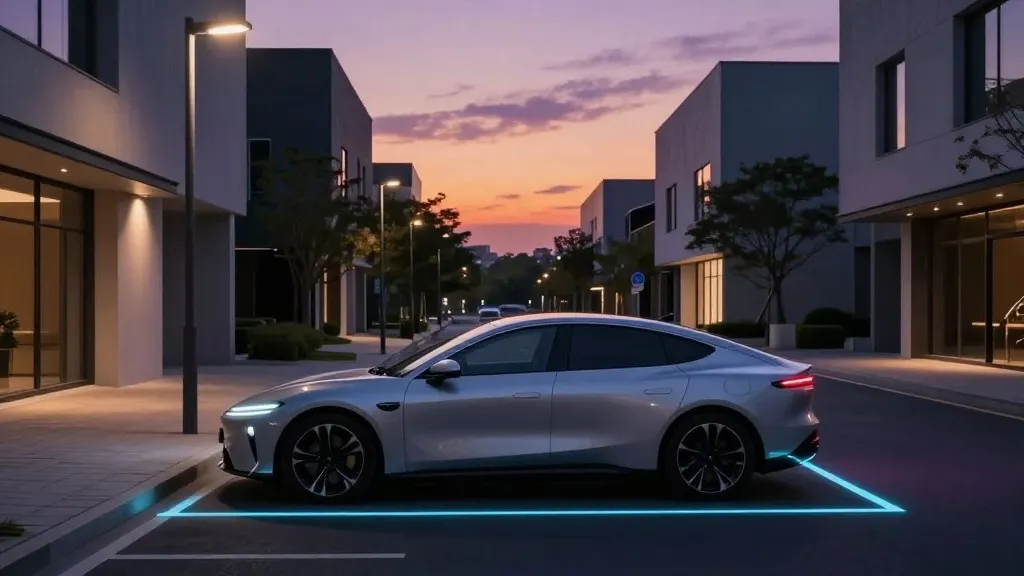
Tesla has officially set a timeline for unsupervised Full Self-Driving in customer-owned vehicles, but the rollout comes with significant limitations that redefine what the technology actually does. On the company’s Q3 2026 earnings call, AI chief Ashok Elluswamy confirmed that this capability is targeted for the second quarter of 2027. However, this is not the universal software update many owners have awaited since 2016. Instead, the plan involves adding individual owner cars to Tesla’s managed Robotaxi fleet, meaning the vehicle will only drive itself within specific, pre-defined areas where the service is already active.
The first key point is the shift in operational control. Rather than giving owners a car that can navigate any destination independently, Tesla is proposing that owners contribute their vehicles to a shared network. In this model, the car operates under Tesla’s management protocols. This means the vehicle’s autonomous driving capabilities are restricted to the same geofences used by the company’s commercial Robotaxi service, effectively turning private vehicles into part of a managed fleet during unsupervised operation.
The second critical factor is the geographic scope of these zones. Currently, Tesla’s Robotaxi service operates in six U.S. metropolitan areas, but the service areas are relatively small slices of those cities. For example, the Miami zone covers mostly West Miami and a strip toward Doral and Sweetwater, while Orlando and Tampa launched with similarly limited boundaries in July. These areas are characterized by low-speed routes and a lack of highway access, avoiding the more complex driving environments that typical daily commutes require.
The third element to consider is the current state of the fleet and regulatory hurdles. Tesla reported reaching nearly 2 million cumulative unsupervised miles by the end of Q3 2026, a month after the Cybercab joined the Austin fleet. However, third-party tracking suggests the number of fully driverless Teslas on the road remains in the dozens, far below the hundreds of thousands previously envisioned. In the Bay Area, the service is not yet unsupervised due to California regulations requiring a safety driver in every car, a rule Tesla has not yet overcome.
This latest announcement contrasts sharply with past promises made by CEO Elon Musk. In July 2025, Musk suggested unsupervised FSD would be available for personal use by the end of that year in certain geographies. Before that, he expressed surprise if the technology wasn't realized within a year. Many owners who purchased the feature with older hardware (HW3) have also been told their vehicles cannot support unsupervised driving, with no clear upgrade path outlined.
The context of this timeline highlights a broader pattern of shifting expectations. The product being described is narrower than the original pitch of a car that drives itself anywhere via a simple software update. By restricting the feature to specific zones and a managed fleet, Tesla is moving the goalpost from universal personal use to a more controlled, localized service. This approach prioritizes safety and operational simplicity over the expansive freedom initially marketed to early adopters.
Looking ahead, the outlook remains cautious. Elluswamy noted that safety is the primary bottleneck, which is why the company limits operations to simpler environments. He speculated that these safety issues might be resolved by next year, but acknowledged uncertainty. For Midwest readers and other potential buyers, this means the dream of a fully hands-off commute across state lines is still years away, with the near-term benefit confined to small, specific urban pockets controlled by the automaker.
Source: Electrek