Tesla Roadster UI: Fighter Jet Inspired Interface and Thruster Data Revealed
A new video showcases the vehicle's track focused software, highlighting specific telemetry for the car's cold gas propulsion system and distinct cockpit layout.
By Layla Edwards ·
Automotive market watchers have long speculated about the technological architecture behind Tesla’s upcoming performance flagship, but the company finally offered a concrete look at the digital cockpit on Friday. The release provides a detailed view of the software experience that prospective buyers will interact with, signaling a distinct shift in how Tesla approaches its high performance models.
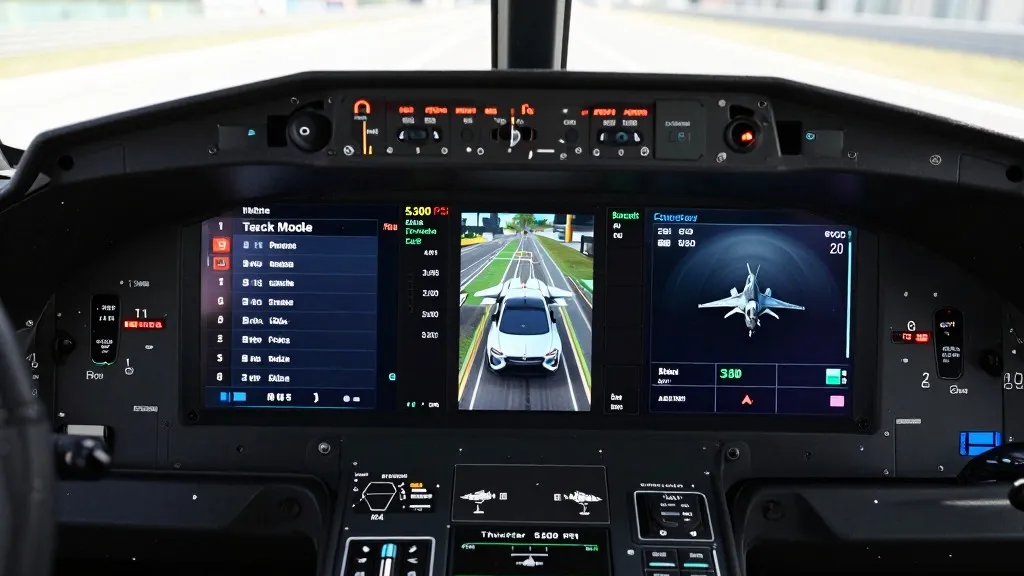
In a thirty four second video posted to X, Tesla demonstrated the vehicle’s primary touchscreen interface. The design philosophy, as described in the accompanying caption, draws heavily from fighter jet cockpits, placing the pilot at the center of the operational layout. This marks a clear departure from the map centric home screens found in the company’s current electric vehicle lineup.
The user interface centers on a three dimensional wireframe model of the car rather than a geographic map. This central display is positioned next to the vehicle’s distinctive squared off yoke. By tapping specific areas of the digital model, drivers can adjust the rear wing settings, choosing between low drag and high downforce positions. The screen also hosts standard utility features, including a charging status page with a limit bar, a compact music player, and a bottom row of navigation tabs for Home, Vehicle, Listen, Climate, and Navigate.
A substantial portion of the demonstration highlighted the Track Mode functionality, which is critical for the vehicle's intended usage. This mode presents a live circuit map alongside a list of session lap times. Real time data streams include brake and motor temperatures, as well as specific pressure and temperature readouts for each individual tire. The setup page allows drivers to select from Auto, Low Drag, High Downforce, or Custom aero modes, while also providing granular controls for aero balance, brake balance, and the ability to disable stability and traction control.
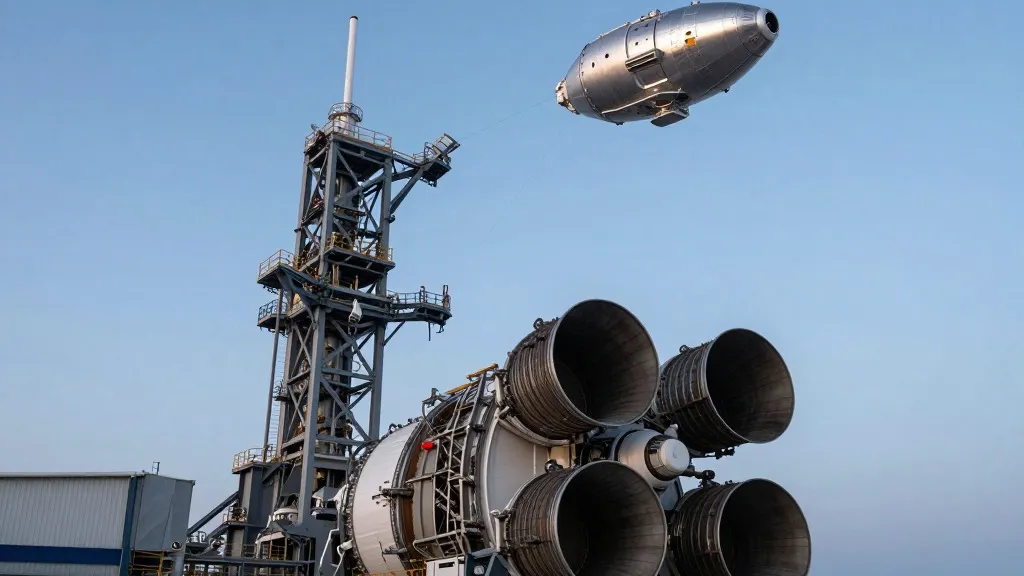
The software interface directly links to the hardware components that define the top tier models. A status bar at the bottom of the Track Mode screen displays the text Thruster 5,500 PSI alongside a Boost Ready indicator. This feature connects to the cold gas thrusters supplied by carbon overwrapped pressure vessels, which were physically showcased near Waco, Texas, on October 15. These propulsion elements are exclusive to the Thrust and Rocket configurations of the vehicle.
Previous technical analyses indicate that these hardware and software combinations drive the car's exceptional acceleration metrics. The Thrust and Rocket models are capable of reaching sixty miles per hour in under 0.9 seconds and under 0.59 seconds, respectively. In contrast, the base Performance model relies on a fan and ground sealing system for grip rather than thrusters. The aero settings visible in the new video align with the active wings and suction systems previously detailed in breakdowns of the vehicle's downforce generation capabilities.
Tesla’s official specifications list two smaller forward displays that accompany the main touchscreen, further differentiating the interior from other models in the brand’s portfolio. The company has not yet clarified whether any of the Track Mode telemetry features will be integrated into other vehicles, such as the Model 3 Performance. While the interface is currently on display, it may still undergo changes before deliveries begin. Elon Musk stated at a recent event that Roadster production is scheduled to start in 2028.
Reservations for the vehicle are currently open with a payment of $50,000. The Thrust model is listed as a limited release, while the Rocket version is available on an invite only basis and is not yet approved for public road use. The public will have its first opportunity to see the vehicle in person this weekend. The Roadster is set to be displayed in the lobby of the Petersen Automotive Museum in Los Angeles from October 24 to 27. According to Sawyer Merritt, this event will mark the first time the general public can view the car up close.
Source: Teslarati
More Business · Tech news · Business Watchdog · Report a business · Got a Story?