NSO Season Halved Amid Homelessness
The National Symphony Orchestra will perform roughly half its usual concerts this year after losing its primary venue to the Kennedy Center closure.
By John Wilson ·
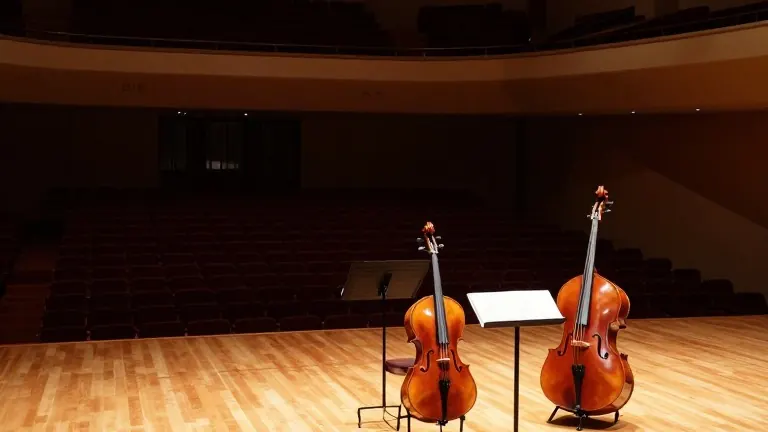
Ticket revenue for the National Symphony Orchestra is expected to drop by about half this season, a financial shock that follows the closure of its long-time home.
The Kennedy Center for the Performing Arts in Washington, D.C., locked its doors on Sept. 15. This abrupt end to operations left the 95-year-old orchestra without a base of operations in the capital. The shutdown followed months of declining sales, public boycotts, and federal court battles regarding the placement of President Trump's name on the building's exterior.
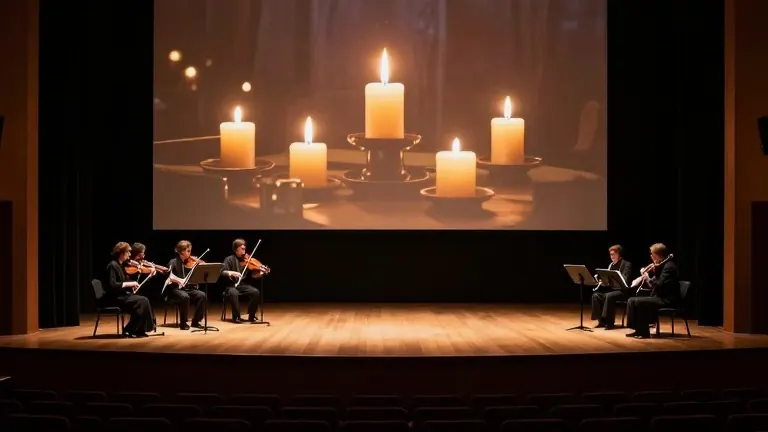
Musicians now function as itinerant performers. The ensemble scrambled to secure six alternative venues across the greater Washington region. These locations are not permanent concert halls for the group. They are temporary stops in a fragmented schedule that forced a late announcement of the new season.
The NSO revealed its lineup in mid-August. That announcement came only six weeks before the first performance of the season. The opening concert took place 11 days after the Kennedy Center closed. On Sept. 26, the group traveled to the Music Center at Strathmore in Bethesda, Md. The program featured new works by Carlos Simon alongside pieces by Tchaikovsky and Respighi. Anne Midgette, a former classical music critic for The Washington Post, described the evening as bittersweet. She noted the irony of a major city's principal orchestra playing outside its traditional hall.
The financial strain extends beyond ticket sales. Donations are projected to fall by a quarter. The Kennedy Center cut its development department significantly, which directly impacted fundraising efforts. The orchestra also lost key administrative staff. Jean Davidson, the executive director, departed in March. She cited the turmoil at the center as the primary reason for her exit. The current season consists of about half the number of concerts the group typically performs.
Music director Gianandrea Noseda has led the NSO for nine years. He described the closure as a cold shower. His first reaction was a question of survival: what happens if the home is gone? Rather than seeking a new post, Noseda extended his contract with the orchestra through 2031. He viewed leaving as a cowardly option. He believes a music director must serve the community and the music, not just the position.
The uncertainty affects the players personally. Rick Barber, associate principal double bassist, joined the group in 1995. He said the musicians were stunned by the news. The months that followed were marked by anxiety and uncertainty. Barber does not believe the orchestra will fold. He finds focus in the music itself, setting aside political divisions when he steps on stage. Noseda encourages the group to view the situation as an opportunity. He wants the ensemble to reach new audiences in different locations.
The NSO's struggle reflects a wider trend in American classical music. Symphonies nationwide face financial pressure. Some groups, including the Phoenix Symphony, have shut down. Affordability plays a key role in attendance. Midgette points out that the cost of tickets, gas, and groceries makes cultural outings harder for many families. The NSO must now determine if audiences remain invested. It must also win back donors. The packed house at the opening concert in Bethesda offered a positive sign. However, Midgette calls the season a real acid test for the orchestra's identity and survival.
The Kennedy Center remains closed while renovation plans are debated. The future of the arts complex is uncertain. The NSO will continue performing in various D.C. area venues for the duration of the season. The group faces a reduced schedule and a smaller budget. Noseda believes the music can still bring people together. He remains optimistic that the ensemble will emerge stronger from the disruption.
Source: KWMU