Lula Claims Fourth Term as Flávio Bolsonaro Seeks Vote Cancellation
The former president defeated his son in the runoff, but the losing candidate has filed for a full recount citing a change to voting hours.
By Layla Edwards ·
Luiz Inácio Lula da Silva has won his fourth term as president of Brazil, defeating Flávio Bolsonaro in a runoff that concludes the country’s presidential election. Lula secured the victory in what observers are calling a dramatic political comeback against the far-right candidate. Flávio Bolsonaro has refused to concede the result and has formally requested that the election be annulled.
The dispute centers on a recent decision by the Brazilian Supreme Court to extend voting hours on election day. Flávio Bolsonaro argued that this procedural change altered the outcome and justified canceling the count. This mirrors the strategy his father, Jair Bolsonaro, used four years ago after losing to Lula. Jair Bolsonaro also refused to acknowledge his defeat before leading an attempted coup, for which he was later convicted.
Lula, the first elected working-class leader in Brazilian history, has served two previous non-consecutive terms. His political career spans five decades. He has credited social programs with helping millions of citizens escape poverty. His recent victory positions him to begin a new administration immediately, despite the legal challenge from the opposition.
Tom Phillips, reporting from São Paulo, assessed the likelihood of the legal challenge succeeding. “The Bolsonaro response is exactly as I feared, but I don’t think it will mean very much,” Phillips said. “All these world leaders are now recognising Lula’s win, and I don’t think Bolsonaro has a hope of overturning this result.” He described the outcome as the climax of an influential political career.
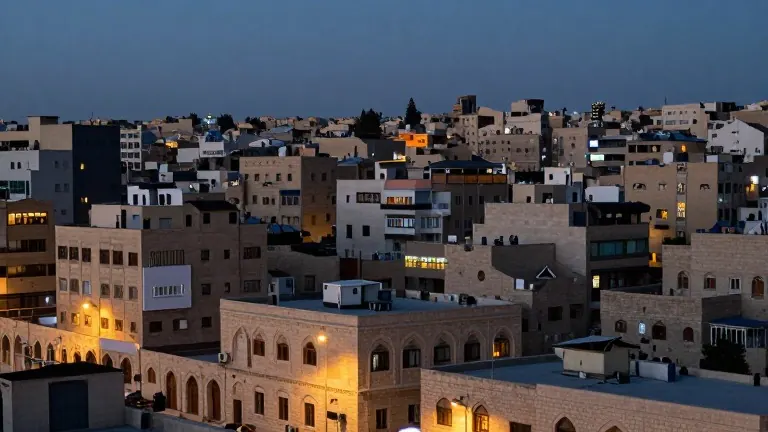
In a separate development in the occupied West Bank, Israeli forces have sealed off the city of Hebron following a gun attack on a military checkpoint. The attack on Friday resulted in the deaths of two Israeli soldiers. The neighborhood of Farsh al-Hawa, located near the checkpoint, was flattened during the operation. The Hebron municipality reported that 370 families, totaling nearly 2,000 people, were displaced from their homes.
The Israeli army stated that the displaced residents left voluntarily. However, Hebron Mayor Yousef al-Jabari described the situation as “collective punishment.” “They have dragged people from their houses, and they have prevented the media from getting into the district,” al-Jabari said. He accused the government of using the crisis to achieve political goals ahead of Israel’s own elections.
In Alaska, Senate candidate Mary Peltola delayed her campaign schedule after being involved in a car crash. Peltola suffered minor injuries and was taken to a local hospital. She is an Alaska native and former congresswoman who is campaigning to become the first Democrat to represent the state in the Senate in nearly two decades. The occupant of a second vehicle was also hospitalized with non-life-threatening injuries.
The Biden administration is already contesting the outcome of the Alaska race through legal channels. Attorney General Todd Blanche defended a pre-emptive lawsuit filed by the Department of Justice. The suit seeks to block the certification of the results if Republican incumbent Dan Sullivan loses. The department alleges potential “voter confusion” because two candidates with the name Dan Sullivan appear on the ballot.
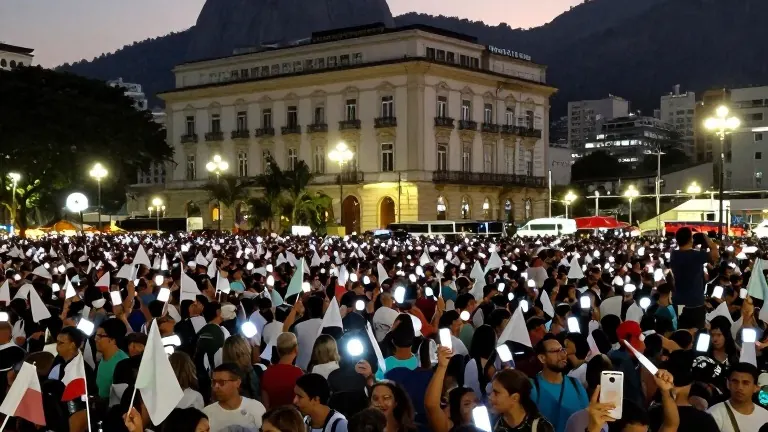
In Serbia, long-serving leader Aleksandar Vučić conceded defeat after a student-led movement challenged his government. Vučić had held power for 12 years. Celebrations erupted in Belgrade as news of his exit spread. The student movement had protested his administration for two years prior to the election.
Other developments include the death of voice actor Eric Bauza, who was 46 and had provided voices for characters including Bugs Bunny and Daffy Duck. He died at home of hypertensive cardiovascular disease. In France, the government is fast-tracking a bill that would require protesters to pay for damage caused by vandalism. In the US, a new study indicates that the western region has lost nearly 300 glaciers since the 1960s.
Source: The Guardian