Luckey's Warhound Secures $200 Million for Military Canine Enhancement
Sequoia Capital and Colossal Biosciences support the startup's plan to use gene editing to improve dogs' ability to detect explosives.
By Yuna Patel ·
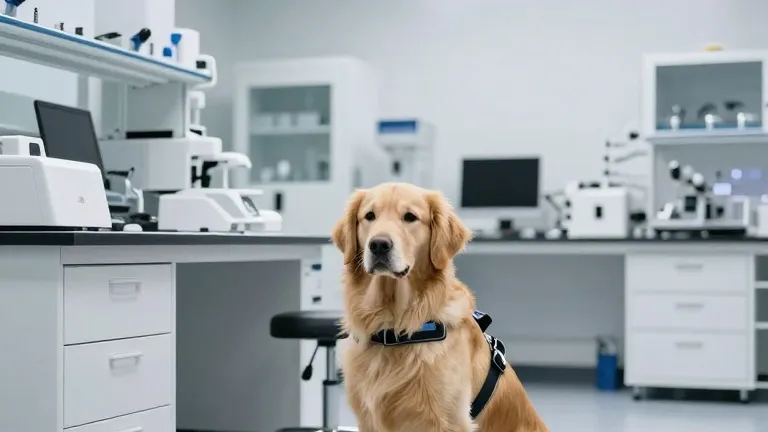
Warhound, a startup founded by Palmer Luckey, has raised $200 million to develop genetically enhanced dogs for military applications. The company announced the funding on October 23, 2026. Its investors include Sequoia and Colossal Biosciences. Colossal Biosciences will provide cloning and gene-editing services for the project.
The stated goal is to create canines with heightened senses. These animals are designed to detect explosives and assist in troop protection. Luckey previously founded the virtual reality company Oculus and the electric vehicle maker Lucid Motors. Warhound represents his latest venture into biotechnology and defense sectors.
Colossal Biosciences is a biotechnology firm known for its work in de-extinction and genetic modification. The company has previously engaged in projects involving the resurrection of prehistoric species. Its involvement with Warhound signals a shift toward applied military biotechnology.
Reports indicate that the genetic modifications will target specific sensory capabilities. The dogs are expected to identify chemical signatures associated with explosives from greater distances than standard military working dogs. The company has not detailed the specific genes involved in the initial phase of development.
The funding round allows Warhound to begin pre-clinical trials. The company plans to partner with defense contractors for testing. No public timeline for deployment has been released. The $200 million figure represents a substantial investment in the emerging field of biological enhancement for tactical use.
Analysts noted the strategic value of combining genetic engineering with traditional military assets. The move follows other private sector initiatives to integrate biotech into national defense strategies. Warhound is positioned to lead this specific niche in the market.
Source: MIT Technology Review