Block releases AI model that processes only spoken audio
The company states its new system, named Dessa, runs locally on hardware as small as a MacBook Pro M4 Max without relying on text data.
By Yuna Patel ·
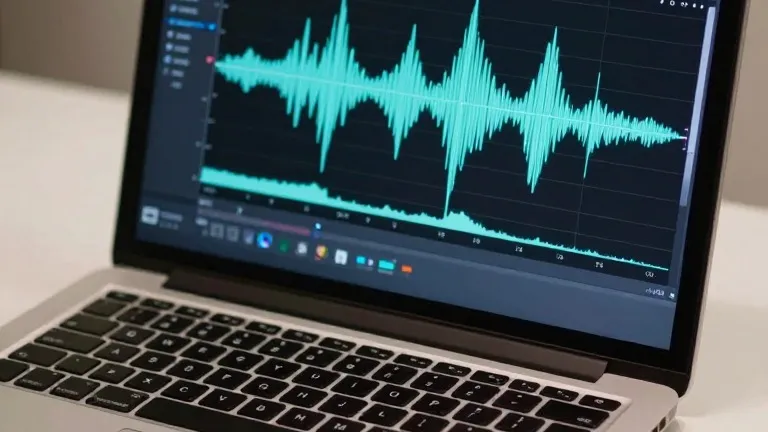
Block, the company led by Jack Dorsey, released an artificial intelligence model on Thursday that processes only spoken audio. The system, named Dessa, was trained entirely on human conversation without any textual input during the learning phase.
The development team describes the architecture as a direct speech-to-speech model. They claim that every piece of knowledge within the system originated from human speech. To support the local processing claim, the team stated the model operates on a MacBook Pro M4 Max or better hardware.
Ragavan Thurairatnam leads the project at Block. He shared a sample recording where the interaction appears largely natural. In that specific clip, the model initially mistakes the speaker for a person named Ronaldo before correcting the conversation flow.
The company published additional recordings on the Dessa website. One exchange discusses Christopher Nolan films before the model shifts focus to Bryan Singer’s Superman movies. In another segment, a user describes a surprise trip to Paris. The team notes that the model responds with what sounds like teary gratitude. A separate test paired the new model with OpenAI’s GPT-Live-1 voice system, resulting in a more natural sounding exchange.
The developers cite three reasons for building the system. They list curiosity, improved human-AI understanding, and safety as the primary drivers. The team compared the learning process to human infants. They noted that babies learn to talk without seeing written words and wanted to see if a machine could achieve the same result. They confirmed the model succeeded, though they described the technical difficulty as very hard.
The team argues that current voice assistants reduce the value of speech by converting it to text. They stated that this method fails to keep up with the timing of human interaction. On the safety front, the developers said existing systems are often deaf to the emotion in a user’s voice. They provided an example of a person in pain where a voice AI might continue speaking without noticing the distress. They position the new model as a step toward addressing that gap.
Block plans to provide early access to a small group of AI safety researchers. The announcement did not include a timeline for a wider public release.
Source: The Verge