1933: The pool that could displace the White House press corps
The president's suggestion to move reporters could finally unearth a submerged relic from the Franklin D. Roosevelt era.
By Layla Edwards ·
Tension between the White House and the press corps reached a new level on Friday when President Donald Trump floated the idea of relocating the journalists who cover the administration. In a post on Truth Social, the president suggested moving the media team to a less obnoxious location, a comment that signaled potential changes to the layout of the executive residence.
The proposal comes amid a contentious period for the administration. Trump dismissed earlier reports that he planned to demolish the current briefing room to restore a historic swimming pool, labeling such accounts as Fake News. He insisted that he had never considered such a move, yet his language left open the possibility that the dozens of reporters currently stationed in the James S. Brady Press Briefing Room could be shifted elsewhere.
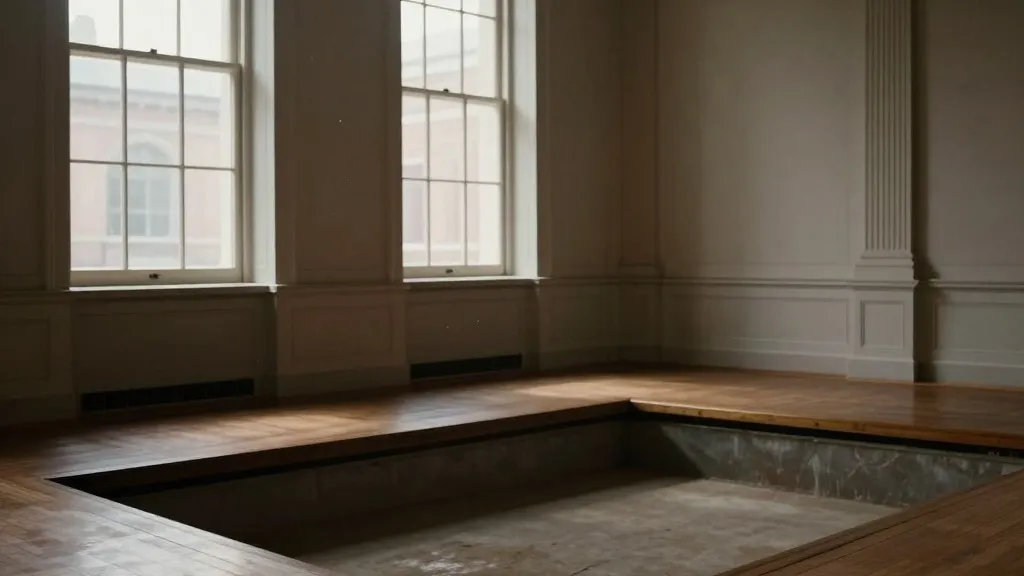
The history of the space dates back to 1933. President Franklin D. Roosevelt, who suffered from polio, built the pool in the West Wing to help ease physical soreness. Decades later, in the 1970s, President Richard Nixon ordered a floor to be constructed over the water to create a dedicated space for the growing press corps. The pool remains beneath that floor today, a hidden feature that has now become a point of political discussion.
According to reports from The New York Times, Trump previously pitched the idea of moving journalists out of the briefing room to Karoline Leavitt, his former press secretary. The plan did not gain traction during her time in the role, which concluded on August 27. However, Leavitt recently indicated on HBO's Real Time with Bill Maher that the president was flirting with the concept of restoring the pool to all of its glory, though she admitted she did not know if he would follow through.
The suggestion to move the press corps arrives as the relationship between the White House and the media remains strained. Last month, the administration barred journalists from CNN, MS NOW and POLITICO from the premises. Free speech advocates argued the move violated First Amendment protections. A US federal judge subsequently ruled that the order was likely unconstitutional, forcing the White House to restore the journalists' access. The administration is currently fighting that legal decision.
Criticism of the media has been a recurring theme for the president. During an Oval Office event on Tuesday, Trump clashed with Andrew Feinberg, a White House correspondent for The Independent. As Feinberg attempted to ask a question, Trump questioned his sanity, asking what was wrong with him and suggesting he was a sick person. The White House later shared the moment on social media, highlighting the friction between the two groups.
Any significant alteration to the briefing room would join a series of controversial changes to the White House property since Trump returned to power last year. The administration has already demolished the East Wing to construct a new ballroom and paved the center of the Rose Garden with concrete. A helipad was also added to the South Lawn, marking a distinct shift in the appearance and function of the historic grounds.
The White House did not immediately respond to requests for comment on the potential relocation of the press corps. The outcome of the situation will depend on whether the administration moves forward with the structural changes or simply keeps the reporters in their current, albeit crowded, location. For now, the 1933 pool remains a buried fixture, waiting to see if it will ever see the light of day again.
The debate over the pool and the press room reflects broader questions about how the executive branch interacts with the media. As the administration navigates legal challenges and physical renovations, the location of the briefing room may become a symbol of the ongoing struggle for access and space within the White House complex.
Source: Al Jazeera