US Envoy Blasts Syrian Leader for Weaponizing Perceived Israeli Ties
Tom Barrack argues that local elites are using the image of Western and Israeli backing to fuel internal divisions and fund armed groups through illicit drug trade.
By Yuna Patel ·
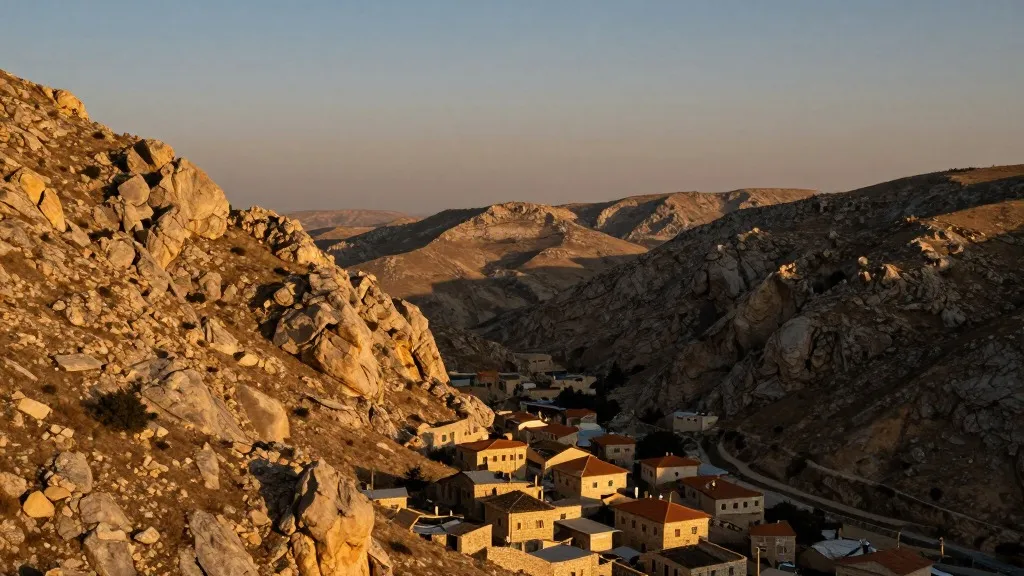
The geopolitical balance in southern Syria is shifting under intense scrutiny from Washington.
Tom Barrack, who serves as the US special envoy for Syria and ambassador to Turkey, issued pointed remarks in a recent interview. He accused a prominent spiritual figure in the region of exploiting the image of American and Israeli support. According to Barrack, this perception is being used to single out and pressure other members of the same community. The comments, shared on social media this past Friday, highlight a growing friction over how local leaders interact with external powers.
While the envoy did not name the individual directly, the timing aligns with rising tensions around Hikmat al-Hijri. Al-Hijri is a key leader in Sweida who has openly opposed the central government in Damascus. He has called for independence and publicly welcomed assistance from Israel. Barrack clarified that his critique targets this specific sheikh rather than the State of Israel itself. He firmly dismissed the idea that Washington has formally endorsed the leader, calling such beliefs completely inaccurate.
The diplomatic friction was visible earlier this month during a public gathering in Sweida. Supporters of al-Hijri raised Israeli flags to mark the anniversary of the October 2023 attacks. This symbolic act highlighted the complex and often divided nature of local politics. Barrack also addressed the financial sources behind these local armed groups. He suggested that the Druze factions are funding their arsenals through the captagon trade. He described the route from Sweida to Daraa as a major global center for producing this stimulant, comparing its volume to the manufacture of methamphetamine.
The Bashan administration, which is linked to al-Hijri, responded with strong condemnation. They rejected the claim that their region is a hub for captagon production. The group argued that the community has historically fought smuggling networks and paid a heavy human cost. They noted that many young men from the area have sacrificed their lives in the effort to eliminate the illicit drug trade. Al-Hijri had previously declared in May 2026 that the move toward self-determination is irreversible. He aims to create a fully independent administration for Jabal Bashan that operates separately from Damascus.
Barrack also discussed the broader relationship between the Druze and Israel. He noted that Druze communities in the Golan Heights and along the border have fought alongside Israeli forces. Israel has framed its military actions in southern Syria, including strikes in July 2025, as protective measures for these communities. The envoy observed that Syria has shown significant restraint in response to these incursions. He warned that any aggressive retaliation could spark a wider conflict. Damascus is currently maintaining a patient stance, allowing Israel to hold what it views as a buffer zone.
Looking ahead, the envoy expressed confidence that the two nations will eventually reach an agreement. President Ahmed al-Sharaa has indicated he does not seek confrontation with Israel. However, Israel remains cautious due to Sharaa’s past involvement with the al-Nusra Front and the presence of foreign fighters in border units. Trust-building is an ongoing process, with five rounds of boundary talks having taken place since May 2024. Barrack believes these discussions are moving in the right direction and expects a final understanding to be reached.
Source: Middle East Eye