Trump Told Team His Oil Bragging Would Hurt, Said He Did Not Care
A Georgia rally transcript reveals the president ignored specific warnings from his inner circle about inflation messaging ten days before the midterms.
By Layla Edwards ·
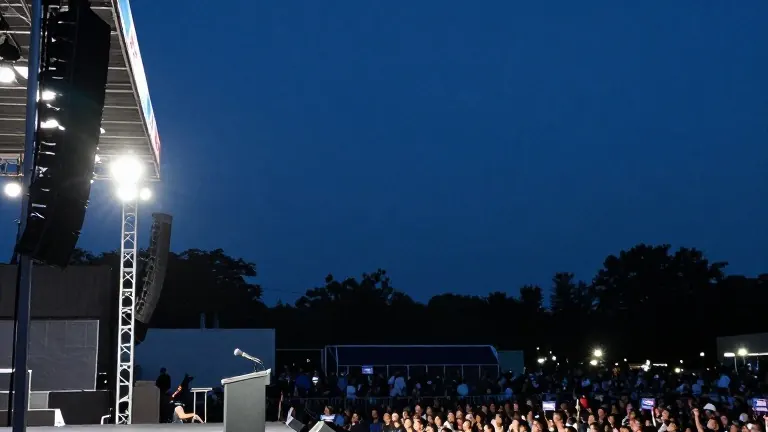
A weekend rally in Georgia revealed a president who heard his team’s warnings and chose to ignore them.
With roughly ten days remaining before the midterm elections, Donald Trump addressed crowds in states where Republican candidates face stiff competition. He claimed his approval rating sits in the 60 percent range, a figure that stands about 30 points higher than current polling data indicates. During this same period, he told a conservative news outlet that the economic pain felt by voters is a fabrication. His recent decisions include prosecuting a war no one wanted, disrupting safe Republican primaries, and labeling affordability a hoax.
At the Georgia event, Trump focused on the financial windfall for the energy sector. He stated that the United States oil and gas industry is generating hundreds of billions of dollars. He then recounted a conversation with his staff. He said, “My people said, ‘Please don’t mention that, sir.’ Because people are paying a little higher.” He predicted the media would headline that he was bragging about corporate profits while consumers suffered at the pump. His response was direct: “I don’t give a damn. I’m gonna say it: We’re making a freaking fortune.”
The admission clarifies two distinct points about the administration’s strategy. First, the inner circle advised him that acknowledging high oil company profits alongside rising consumer costs was impolitic. They warned him it would highlight the disconnect between corporate gains and household budgets. Second, the president did not view that risk as a reason to change his message. He proceeded with the comment despite the specific counsel he received.
This approach aligns with a pattern of prioritizing personal narrative over electoral strategy. Trump’s presidency has focused on lining his own pockets and building monuments to his legacy. The decision to maintain this messaging ten days before voters head to the polls suggests he is not worried about the impact on his party’s chances. He may not care if his policies hurt individual voters, but those voters still face the consequences at the register. The election results will determine whether his strategy resonates with the electorate or if his lack of concern costs his party seats in Congress.