Ballots from Inside: Organized Crime Figures and Prison Turnout
Associates of prominent criminal figures reveal split loyalties between Arab and left-wing parties, while the Israel Prison Service reports an 88.7% turnout among eligible detainees.
By Yuna Patel ·
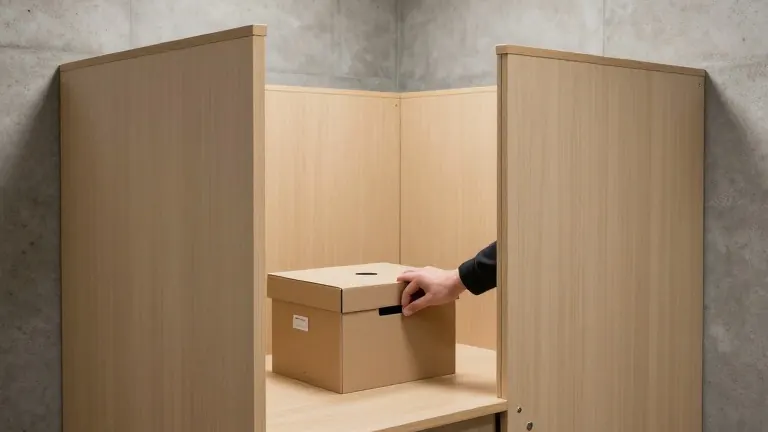
For the nearly 89% of eligible prisoners who cast ballots on Wednesday, the act of voting carried the same weight as it does for any citizen. The Israel Prison Service (IPS) Operations Division announced that polling stations at all detention facilities closed at 8 p.m. with an 88.7% turnout. This high participation rate occurred under strict security measures, with judges and official observers present at facilities across the country.
Behind the curtain of the voting booth, the political preferences of those often targeted by state law enforcement became clear. Associates of prominent organized crime figures spoke to Walla on Wednesday, revealing where their political sympathies lie. These disclosures offer a rare look into the voting habits of individuals who frequently interact with the police, the State Attorney's Office, and the courts.
The political alignment of these figures is not uniform. Sources close to the Jarushi family, a group associated with a major crime organization in Israel, indicated support for both Ra'am and the Joint List. These are the two main Arab parties in the Knesset. The preference for these parties suggests a specific demographic or ideological connection that aligns with the family's social base.
In a contrasting alignment, associates of Eitan Hiya stated his preference for Yair Golan. Golan is a prominent figure on the Israeli political Left. This choice stands out because it places a known criminal figure in the camp of a party that often advocates for social welfare and left-wing policies. The split shows that no single political camp dominates the criminal underworld.
The information regarding these preferences comes from associates of the individuals involved. It does not verify the specific ballots cast on election day. However, it highlights the diversity of opinion within groups that the state seeks to restrict through legal tools like the Law for the Protection of the Public from Criminal Organizations, which took effect at the end of 2024.
That law allows courts to impose restrictions on individuals operating within criminal organizations even without a formal indictment. Measures can include stay-away orders, home confinement, and contact prohibitions. Despite these constraints, the right to vote remains intact for those who retain it. The Knesset that these voters helped shape is the same body responsible for determining the legal tools used to fight organized crime.
The voting process was coordinated with the Central Elections Committee following operational preparations led by IPS Commissioner Kobi Yaakobi. Secret ballots were conducted under public order measures that ensured security while preserving the democratic right of eligible detainees to influence the next composition of the Knesset.
Source: The Jerusalem Post