Tesla Confirms Late 2027 Start for External Optimus Robot Deliveries
The automator has pushed back its timeline for selling humanoid robots to third parties, citing persistent challenges with mechanical durability and artificial intelligence.
By Ahmed Mansour ·
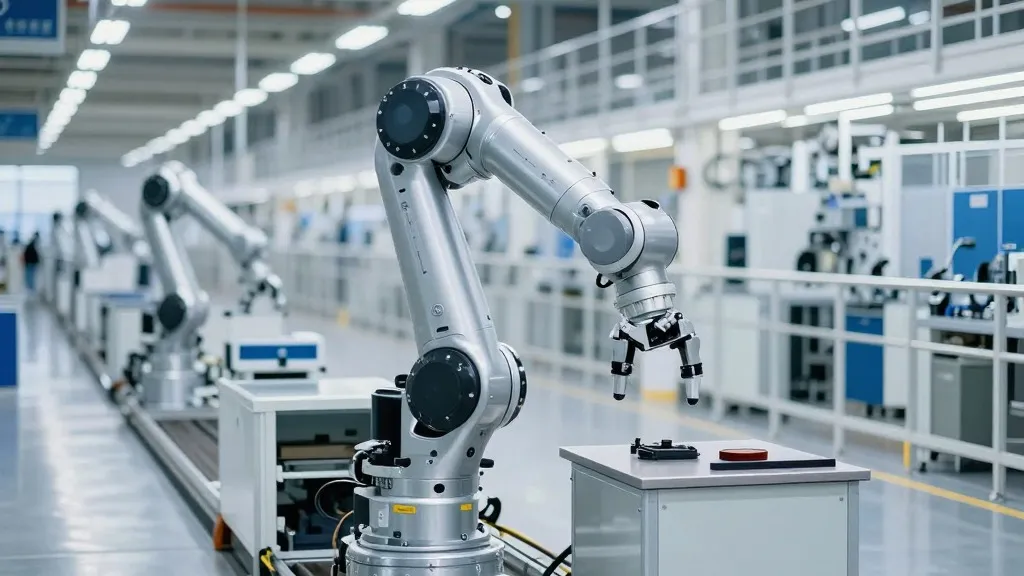
Tesla has officially set a target for late 2027 to begin delivering its Optimus humanoid robots to external customers, a timeline that reflects ongoing technical hurdles.
During the company’s Q3 2026 earnings call, executives outlined the scale of the production effort currently underway. Early production has commenced on a high-volume line in Fremont, California, the same facility previously used for Model S and Model X assembly. While infrastructure for a capacity of one million units annually is largely installed, leadership indicates it will take at least twelve months, and potentially longer, to reach a rate of approximately 20,000 units per week. This slower ramp-up is attributed to continuing modifications in the robot’s design.
The primary obstacles identified by the engineering team involve the electromechanical design, reliability, and artificial intelligence capabilities. A specific focus was placed on the robot’s hands, which are described as the most difficult hardware component to perfect. The challenge lies in creating fingers that are soft enough to handle delicate objects yet durable enough to withstand constant wear, a feat complicated by the fact that robots cannot heal like human skin. Additionally, custom gears remain a source of reliability concerns.
On the software front, Tesla is still refining its AI architecture. Unlike its vehicle fleet, which collects data for Full Self-Driving, the company does not yet possess a large fleet of robots for data collection. To address this, Tesla plans to manufacture between 10,000 and 20,000 units to practice tasks in a dedicated training environment known as the Optimus Academy. The AI5 chip is scheduled for integration into the robots around April 2027. The company also promised a video demonstration within one or two months showing the robot performing unscripted tasks.
The timeline for external deliveries marks a shift from previous internal targets. In 2024, the company suggested internal use in 2025 and high-volume external sales in 2026. By January 2025, expectations had been lowered, with none of the projected thousands of robots performing useful work by year’s end. The Q3 shareholder letter now describes the current units as the first production-quality bots manufactured, implying that prior iterations did not meet this standard.
Competitors in the humanoid sector are also advancing, with similar timelines and challenges. XPeng activated an automated production line for its IRON robot in September, planning mass production by the end of 2026 and deliveries in early 2027. Meanwhile, Boston Dynamics began producing its electric Atlas robot in January, with all 2026 deployments already committed, including to Google DeepMind. These rivals face the same fundamental issues of generalization and durability, yet they are currently deploying units in industrial settings, whereas Tesla remains in the phase of solving core hardware and software reliability.
Source: Electrek