Spain's set lunch costs 14.70 euros as weekday servings drop
A new book details how the midday meal tradition is shrinking due to rising costs and changing habits, though it still serves four million customers on weekdays.
By Yuna Patel ·
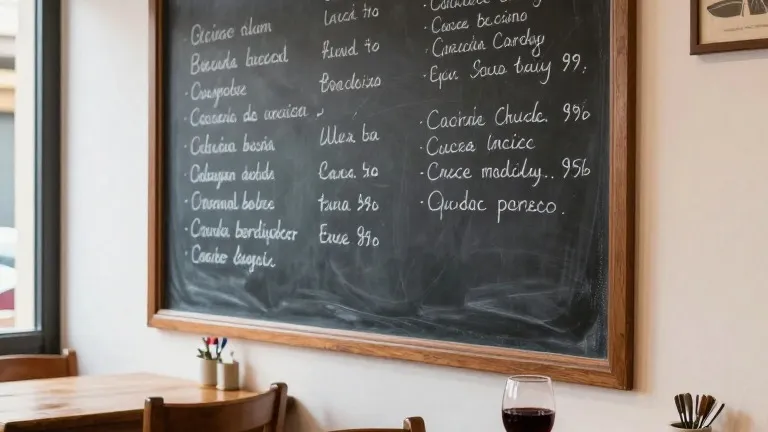
The average price of a set lunch in Spain has risen to 14.70 euros, a cost that now exceeds the original 50 to 250 peseta range set by law in the 1960s. This price increase affects millions of diners who rely on the menú del día for an affordable midday meal.
The tradition, which involves a starter, main course, and dessert or drink, is losing popularity. Approximately four million of these meals are served on each weekday, a figure that reflects a slow decline in the habit. In 2009, chef Ferran Adrià predicted the menu was dead, citing economic downturns and the rise of bistro-style restaurants charging 20 to 30 euros for simple fare.
Spanish food journalist Lakshmi Aguirre argues in her new book that the menu is in trouble but not yet finished. Her research traces the origin of the meal to the mid-1960s, when information and tourism minister Manuel Fraga introduced it under dictator Francisco Franco. The regime aimed to show foreign visitors that food in Spain was plentiful and affordable.
Original regulations required restaurants to offer a soup starter, a main dish of egg, fish, or meat from a list of at least three options, and a fruit, sweet, or cheese dessert. A quarter-liter of wine with at least 12% alcohol was mandatory. In the early 1970s, the offer was renamed to encourage local Spaniards to eat out, reducing its image as a tourist-specific product.
Aguirre notes that many Spaniards are unaware of the menu's origin under the Franco regime. She observed that people often reacted with shock when she mentioned Fraga during her research. She described the menu as a reflection of Spanish society's evolution, with nostalgia growing as the practice fades.
Rising energy and food costs are squeezing small, family-run restaurants, making it difficult to maintain rotating daily menus. Many establishments have shifted to a single dish of the day or added Latin American staples to reflect changing demographics. Some diners skip the restaurant entirely, opting for food brought from home or supermarket ready meals.
Aguirre identifies specific markers of a traditional venue, such as simple dishes, a regularly changing menu, and non-frozen chips. She looks for a chalkboard free of modern culinary terms like avocado or truffle. She also values the presence of regulars and signs of family life, such as a child doing homework at a back table.
The journalist believes the loss of the menu represents more than the end of a cheap meal. She describes it as a meeting point where families with limited means can eat out and people living alone can find company. The core value, she says, lies in having the time to enjoy the meal, not just the ability to pay for it.
Source: The Guardian