Phoenix Carver Resumes Woodworking After Brain Implant Procedure
Bill Daggett underwent deep brain stimulation surgery to treat Parkinson's disease, allowing him to control the tremors that stopped his artistic work.
By Layla Edwards ·
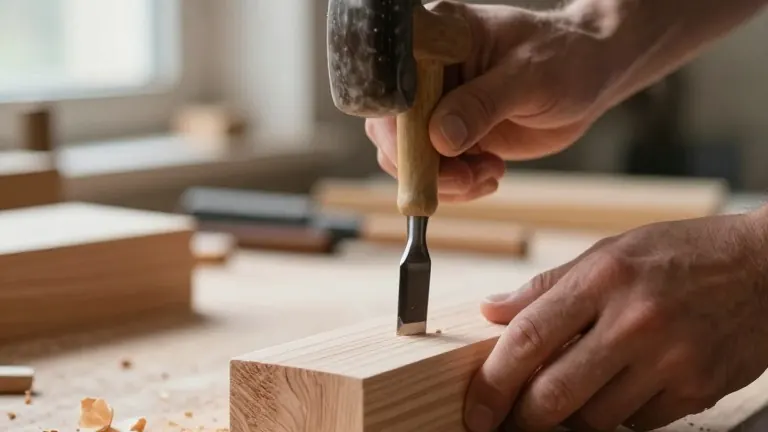
Bill Daggett has returned to woodcarving in Phoenix, Arizona, following a deep brain stimulation procedure. The intervention targets the electrical signals in his brain that cause severe tremors associated with Parkinson's disease. Prior to the surgery, the physical symptoms were so intense that Daggett struggled with basic daily tasks and avoided public settings.
The diagnosis began when a physician attending an art show observed Daggett’s shaking. The doctor recommended a medical evaluation, which confirmed Parkinson's disease. Daggett described the early stages of the condition as isolating. He stated, "I couldn’t even eat, hardly. I was shaking so bad, and I didn’t want to go out anymore. That’s part of the depression. You don’t want to be seen when you can’t hold a fork and get it to your mouth."
When standard medication failed to control his symptoms, Daggett opted for deep brain stimulation, or DBS. This therapy involves implanting electrodes that send electrical pulses to specific areas of the brain. The goal is to interrupt the neural pathways responsible for tremors and other motor issues. According to Sam Cradduck, a gerontologist and host of the program Aging Untold, the device functions similarly to a pacemaker for the brain.
Cradduck explained that while pacemakers regulate heart rhythm, this technology helps the brain reset and maintain steady electrical output. He noted that the procedure reduces tremors and slows the progression of side effects linked to the disease. Daggett’s hands are now steady enough to hold carving tools, allowing him to resume his craft after years of limitation.
Cradduck emphasized the emotional impact of the treatment on patients who have lived with the disease for extended periods. He described DBS as a breakthrough for quality of life, particularly for those whose identity is tied to their physical abilities. "We talk about the physical aspects of disease and aging all the time, but we forget to talk about the emotional loss, and that’s where this guy was at. He was so connected with being the artist and being able to create, and the disease was robbing him of that," Cradduck said.
Daggett continues to create wood art in his studio. The successful outcome of his surgery serves as a case study for the application of DBS in treating advanced Parkinson's symptoms. The procedure has restored his ability to perform the precise movements required for detailed carving, a skill he had lost to the progression of the disease.
Source: KMOV