Alaska Hunters Gain Right to Bait Bears on Federal Lands
A new federal rule permits the use of human food to lure bears on public lands, sparking debate over wildlife management and state autonomy.
By John Wilson ·
A contentious new rule published in the Federal Register this Friday allows hunters to lure bears with human food on federal lands in Alaska. The regulation takes effect in mid-November and immediately reverses a 2024 ban imposed by the previous administration. This shift has ignited a fierce debate between those who view the change as a return to practical tradition and critics who see it as a political concession to trophy hunters.
The core of the new policy permits the use of attractants such as bacon, doughnuts, and meat scraps to draw bears closer to hunters. The primary goal is to facilitate the hunting of trophy animals at short range. By using these specific food items, hunters can establish a more predictable pattern of bear behavior, making the hunt more manageable. The rule does not list specific foods in its text but defers to existing state regulations that already allow such practices.
Interior Secretary Doug Burgum defended the decision in a press release, framing it as a response to the needs of local residents. He described the measure as a commonsense framework that empowers Alaskans to have a stronger voice in decisions affecting the lands, wildlife, and traditions they know best. This perspective aligns with a broader administrative push to streamline federal oversight and grant more decision-making power to state and local stakeholders.
The change stems from an executive order signed early in Donald Trump’s second administration, titled Unleashing Alaska's Extraordinary Resource Potential. The order directed the reissuance of the rule, signaling a clear political intent to alter federal land management practices. Critics argue that this directive points to a political motive rather than a careful scientific review. The history of this issue is cyclical, having been banned by the Obama administration, reversed by the first Trump administration, upheld by courts, and reinstated by the Biden administration in 2024.
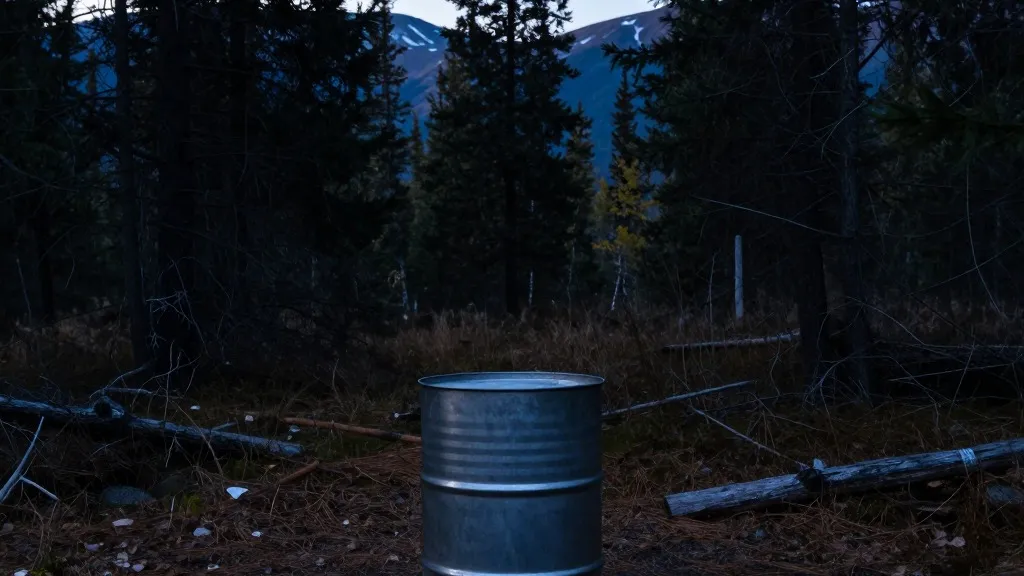
Nicholas Arrivo, a managing attorney at Animal Protection Law, explained the typical mechanics of bear baiting. He noted that hunters generally choose the cheapest and most effective food, which is high in fat and sugar. The process usually involves placing the food in a steel drum or garbage can and keeping watch over it. Hunters then shoot the bear at short range from a nearby blind. This method contrasts with traditional long-range hunting styles and has drawn scrutiny from those who value the spirit of sport hunting.
Drew Robertson, a senior regulatory specialist for Humane World for Animals, expressed dismay at the rule's return. He called the baiting provision cruel and dangerous, not only to wildlife but to the public as well. Robertson argued that the practice is more extreme than the hunting traditions most people imagine. He suggested that many hunters would not view this as a fair chase, highlighting a potential rift within the hunting community over acceptable methods.
Environmental groups have been vocal in their opposition, labeling the new measure indefensible and inexcusable. The primary scientific concern is that baiting makes bears more aggressive around people. This behavior poses a significant danger to park visitors and hikers who may encounter bears that have become accustomed to human food sources. The previous ban was largely based on this scientific consensus, which indicated that baiting endangers both wildlife and the public.
The new rule is part of a series of recent moves by federal and state officials to permit contested hunting methods in Alaska. These include shooting bears from helicopters, shooting swimming caribou from motor boats, killing wolf pups in their dens, and using artificial lights to draw bears out of dens. While bear baiting is not unique, with about a dozen states allowing similar practices, the federal approval gives it a broader scope of application on public lands.
Legal challenges are likely to follow. Arrivo rejected the argument that the rule gives the state appropriate control, noting that the lands are federal and Congress created the federal land program to place decision-making power with the federal government. He stated that the approach is anathema to federal land management goals of preserving wildlife diversity. Although no decision has been made on a lawsuit yet, Arrivo noted that scrapping the 2024 rule, which went through a more robust scientific process, raises questions about the legality of the new measure.
Source: The Guardian